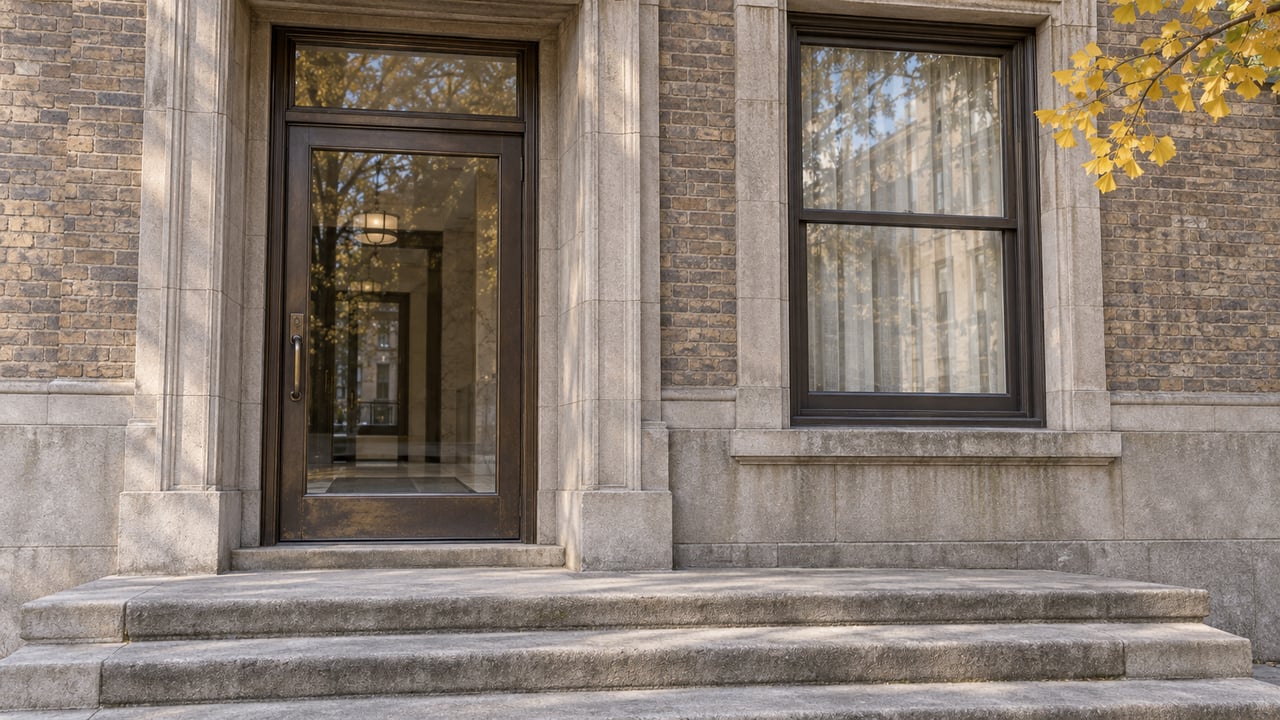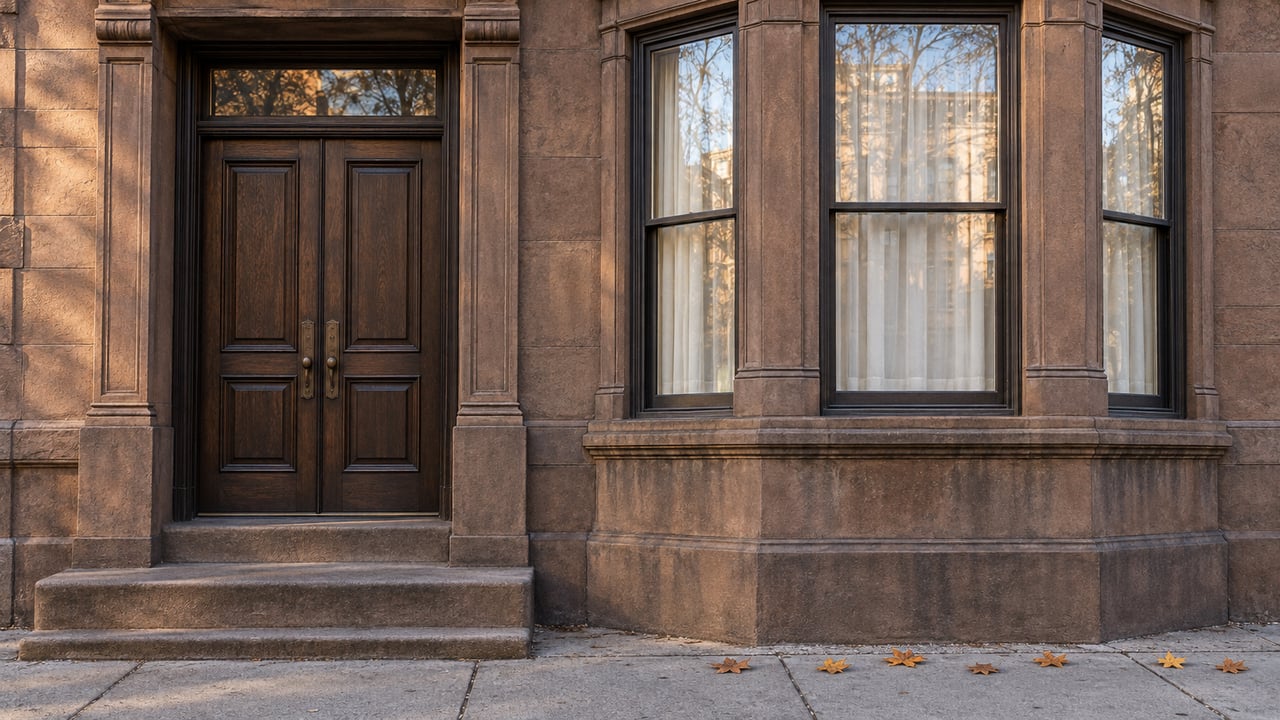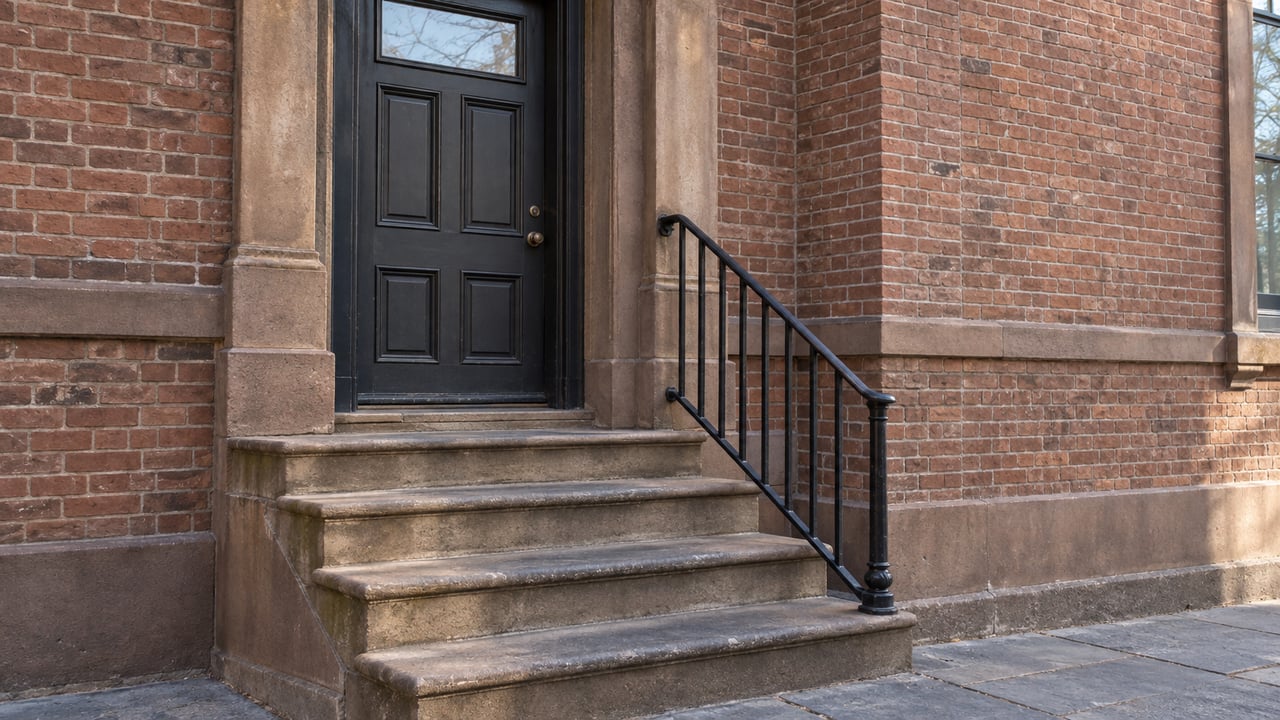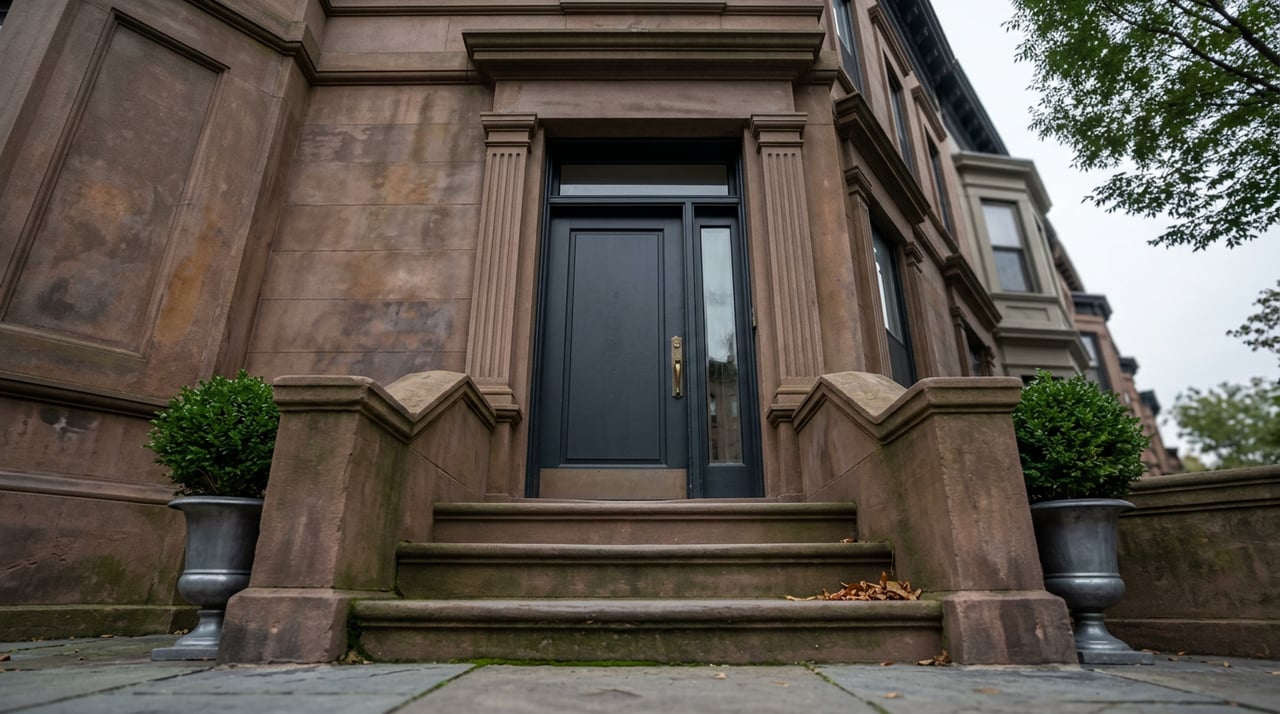
Eight units. One family. Fifty years. Then, according to Hoodline, in October 2025, an entity called Jane St Garden LLC paid $10.25 million for 80 Horatio Street, a five-story building between Greenwich and Washington streets that had belonged to the same owners since 1976. That price works out to roughly $1,671 per square foot. The plan was straightforward on paper: convert the walkup into a single-family home. The rooftop addition cleared. The rear facade rebuild cleared. The cellar excavation cleared. What hasn't cleared, as of this writing, is a storefront.
Not an original one. The ground-floor storefront at 80 Horatio dates to a 1909 alteration, added more than half a century after the building went up in 1853. It is the one part of the project the Landmarks Preservation Commission has not yet resolved, after considering other proposed changes in August. For anyone shopping a West Village townhouse right now, that detail matters more than the purchase price on the listing sheet.
How the Commission Reviewed the Renovation
The sequence is worth walking through, because it shows how little the size of a renovation predicts how long it takes to get approved.
| Date | What happened |
|---|---|
| October 2025 | Jane St Garden LLC buys 80 Horatio Street for $10.25 million, ending nearly 50 years in one family's hands. |
| June 2026 | Manhattan Community Board 2 recommends approval with modifications, but tells the applicant to drop the proposed exterior lighting fixture and ironwork. |
| August 4, 2026 | The full Landmarks Preservation Commission endorses the rear elevation, rooftop addition, and cellar excavation, then takes no action on the application as a whole. |
| September 1, 2026 | Commissioners return to weigh a revised plan that folds an echo of the old storefront into the restored facade and lowers the top-floor rear windows. |
Look at what got endorsed in a single meeting: a full rear facade rebuild, a rooftop addition with a bulkhead reaching nearly 75 feet, and excavation of the cellar and rear yard on a lot that's only 24 feet wide. Those are substantial interventions, and the commission endorsed them.
The storefront remains unresolved. Commissioners split on whether removing a century-old but non-original feature would erase evidence of the building's mixed-use past. The dispute concerns whether to retain this ground-floor feature while other visible changes to the building have been endorsed.
How LPC Review Works
The Landmarks Preservation Commission doesn't review every exterior change the same way, and the difference between the fast track and the slow one has nothing to do with budget or square footage. It has to do with what the work does to the historic legibility of the building.
According to Fontan Architecture, routine, in-kind repairs, replacing a window with the same profile, repointing brick with matching mortar, typically move through staff-level review as a Certificate of No Effect or a Permit for Minor Work. Those can close in weeks. Anything that changes how the building reads from the sidewalk, a new rear wall, a rooftop extension, an altered storefront, needs a full Certificate of Appropriateness, which means a public hearing in front of the commission itself.
That commission is not a rubber stamp. According to Wikipedia, by law it includes at least three architects, a historian, a city planner or landscape architect, and a realtor, all serving as unpaid, part-time appointees for three-year terms. Eleven people, weighing one decision, on one building, in one meeting. When they split, as they did over the Horatio Street storefront, there's no tiebreaker. The application simply comes back.
This is the part a buyer's team needs to price in before signing anything. A gut renovation with a bigger footprint than 80 Horatio's might sail through if every element reads as compatible with the historic district. A far smaller change, one door, one window line, one cornice, can be the piece that stalls the whole filing if a commissioner sees it as evidence of the building's layered history worth keeping.
West Village Townhouse Market Timelines
West Village townhouses have been sitting on the market longer than the neighborhood average.
Over the three months ending in May 2026, the West Village overall saw a median sale price of $1.5 million and a median price per square foot of $2.57 thousand, up nearly 34 percent year over year, with homes averaging 65 days on the market. Townhouses specifically told a different story. As of August 2026, the four townhouses on the market ranged from $4.95 million to $12.5 million and averaged 98 days on the market, a full month longer than the neighborhood as a whole.
Buyers planning to renovate a West Village townhouse should ask what's already been filed with the commission, what Community Board 2 has said about the block, and whether any exterior element is likely to trigger a full hearing rather than a staff sign-off. That diligence is worth doing before an offer goes in.
Community Board 2 backed converting the Horatio Street ground floor into a residential entryway and recommended dropping the proposed exterior lighting and ironwork.
As amNY explains, community boards don't have final say: their recommendations are advisory, and city agencies aren't bound to follow them. But the commission clearly listened. The staff-level items CB2 flagged (the lighting fixture, the ironwork) never became the sticking point at the full hearing. The storefront, the one issue where the board and the commission were working from different instincts about what counts as historically meaningful, is the one still open.
Three Questions to Ask Before You Write an Offer
Has anything already been filed with LPC on this address? A building with an open or recently closed Certificate of Appropriateness application tells you a lot about what the commission is likely to accept, and what it isn't, before you spend money on your own architect's proposal.
What's original, and what's a later alteration the commission might still protect? The Horatio Street storefront isn't from 1853. It's a 1909 addition. That didn't stop several commissioners from arguing it should stay. Don't assume a later alteration is fair game just because it postdates the building's original construction.
What has the local community board said, and about what specifically? CB2's recommendation on 80 Horatio was granular, approving some elements and rejecting others by name. That level of detail is common, and it's worth reading closely rather than treating a board recommendation as a single up-or-down vote.
None of this means a West Village townhouse renovation is a bad bet. It means the real underwriting happens before closing, not after, and it happens on the filing history of the specific building, not the median price of the neighborhood. A property that looks move-in-ready for renovation on paper can still turn on a single door that hasn't been resolved yet.
For buyers weighing a landmarked property in the West Village or anywhere else in Manhattan's historic districts, that kind of detail is exactly what a discreet, well-connected advisor should be running down before you're under contract, not after. Stefani Berkin works with buyers and sellers across Manhattan's most tightly regulated blocks, and can help you read a listing's landmarks history before it becomes your renovation timeline. Schedule a confidential consultation to start.
This article is general information, not legal, tax or financial advice. Consult a qualified professional about your situation.