Looking for a home that feels private in one of Manhattan’s most recognizable neighborhoods? West Village townhouse living stands out because it offers something many buyers want but rarely find in the city: historic charm, a lower-scale streetscape, and a more self-contained way to live. If you are weighing whether a townhouse fits your lifestyle, this guide will help you understand what makes West Village townhouses so appealing, where the tradeoffs come in, and what to look for as you explore the neighborhood. Let’s dive in.
Why West Village townhouses feel so special
Much of the West Village townhouse inventory sits within the Greenwich Village Historic District and its extensions. The New York City Landmarks Preservation Commission says the district was designated on April 29, 1969, and at the time it was the city’s largest historic district, covering more than 2,000 buildings across 65 blocks.
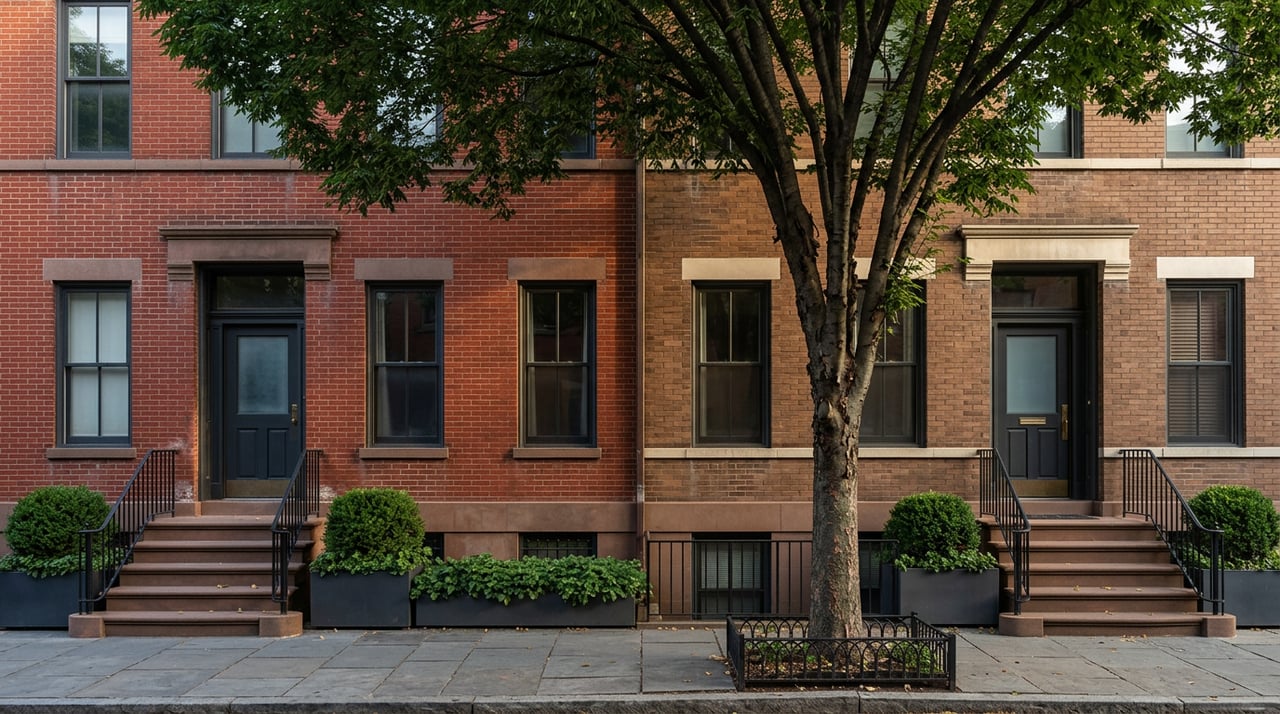
That history shapes the experience of living here today. The appeal is not only the individual house, but also the continuity of the block, with stoops, masonry facades, and a low-rise rhythm that gives many streets a distinct sense of scale.
For many buyers, that creates a type of privacy that feels different from apartment living. You are often entering directly from the street, living within your own vertical space, and enjoying a home that feels more independent than a typical shared-building residence.
West Village townhouse styles vary
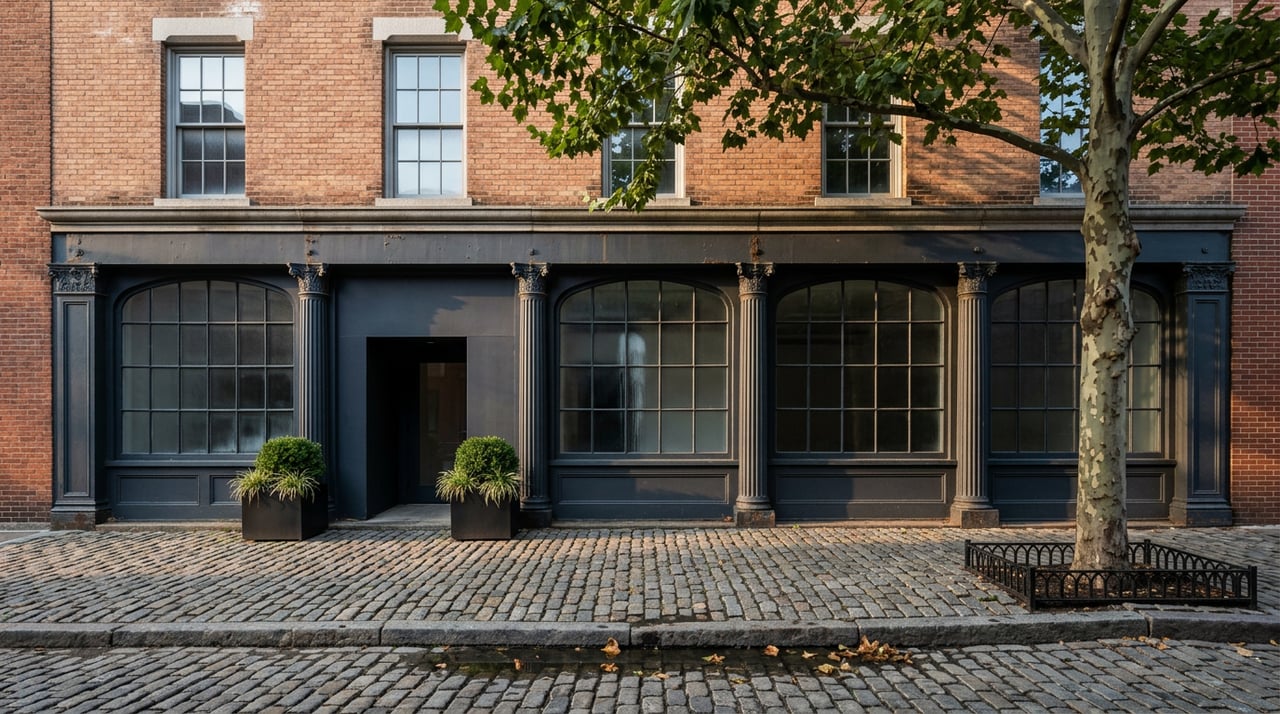
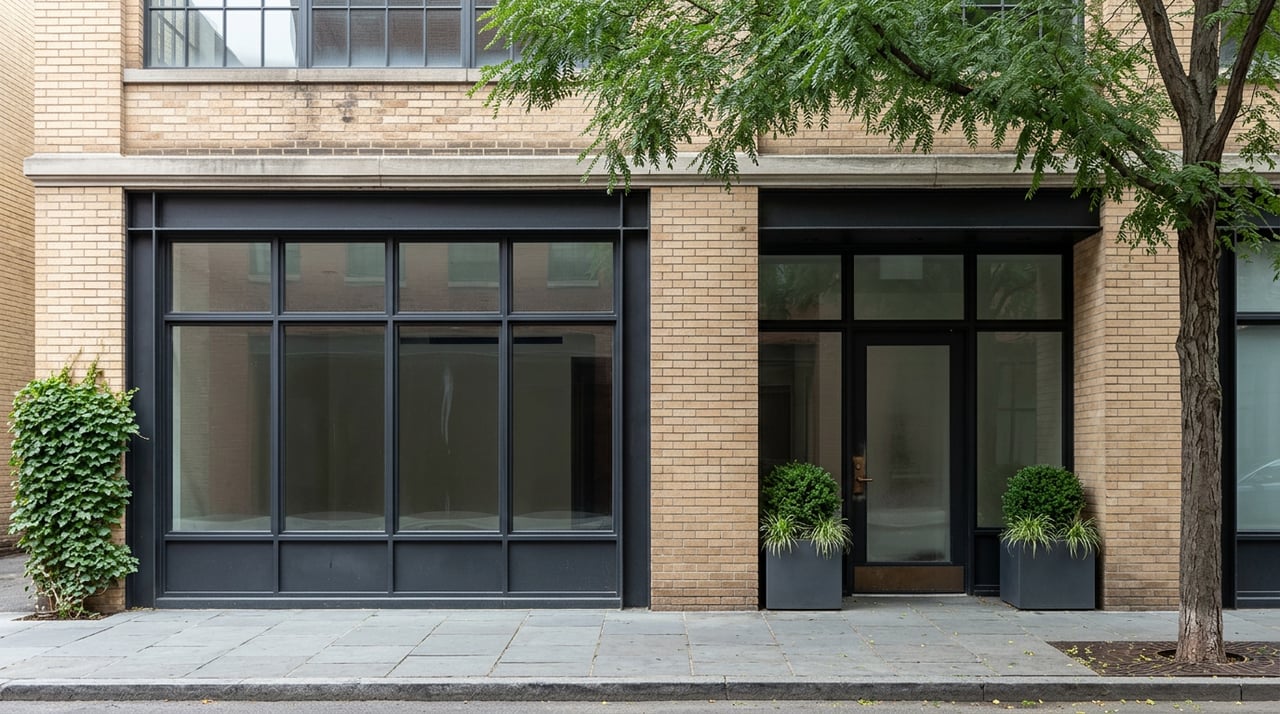
It helps to know that “townhouse” in the West Village can mean a few different things. According to local landmark and planning documents, the neighborhood includes Federal and Greek Revival rowhouses, rowhouses with ground-floor stores, multiple dwellings with commercial ground floors, and former stables, warehouses, and factories that were later converted for residential use.
That variety is one reason the neighborhood feels layered instead of uniform. One block may read as a classic residential row-house street, while the next may include mixed-use buildings or adaptive reuse properties with a different scale and layout.
This matters when you start your search. Two properties may both be marketed as townhouses, but their floor plans, light, frontage, use history, and relationship to the street can be very different.
Common building types you may see
- Early 19th-century rowhouses
- Federal-style homes
- Greek Revival rowhouses
- Mixed-use rowhouses with a commercial ground level
- Former carriage houses or stables converted to residences
- Former warehouse or factory buildings adapted for housing
Privacy is a major draw
One of the strongest reasons buyers pursue a townhouse in the West Village is privacy. Compared with an elevator condo or co-op, townhouse living is often more self-contained and owner-directed.
That can mean fewer shared spaces and a greater sense of separation from neighbors. For buyers who value discretion, quiet, and a more individualized home environment, this lifestyle can be especially appealing.
Privacy, though, is not only about the house itself. In the West Village, it is also tied to the neighborhood’s lower-scale streetscape, narrower blocks in some areas, and the preserved character that keeps many streets from feeling overly dense or visually crowded.
Charm comes from the block as much as the home
The West Village is often loved for its atmosphere, but that atmosphere is shaped by specific physical features. Preservation has helped maintain many of the neighborhood’s signature elements, including stoops, brick and masonry facades, and a generally low-rise profile across many historic blocks.
This is one reason townhouse buyers are often drawn to the area over newer product elsewhere. The setting can feel intimate and architectural in a way that is hard to replicate.
At the same time, the West Village is not a single architectural look. Official planning documents describe the far western section as a former manufacturing and working-waterfront area that is now predominantly residential, with converted loft buildings, 19th-century row houses, West Village Houses, and some newer, taller residential buildings.
The block-by-block feel matters
In the West Village, small changes in location can create a very different living experience. Official planning materials describe lower-scale clusters along Christopher Street, Weehawken Street, and Charles Lane, while more substantial street walls and taller residential buildings appear along West Street and parts of Washington Street.
That is important if you are searching for a townhouse with a specific feeling. Some buyers want a quintessential row-house block, while others prefer a setting that blends historic architecture with a more mixed-use or evolving streetscape.
Even adjacent blocks can feel surprisingly different. Part of that comes from where the historic district boundaries fall and how the neighborhood developed over time.
What to pay attention to on each block
- Building scale
- Residential versus mixed-use character
- Presence of commercial ground floors
- Historic district status
- Street width and streetscape continuity
- Nearby services and retail activity
Landmark rules shape ownership
If you buy a townhouse in a landmarked part of the West Village, preservation review becomes part of ownership. The Landmarks Preservation Commission says it must approve in advance any alteration, reconstruction, demolition, or new construction affecting a designated building, and the same general review applies to buildings in historic districts.
In practical terms, visible exterior work usually requires review. Ordinary exterior repairs and most interior alterations generally do not need approval, but changes that affect the exterior appearance often do.
This is one of the central tradeoffs of West Village townhouse living. You gain the benefit of a protected historic setting, but you also need to plan carefully when considering exterior upgrades or changes.
What that means for buyers
- Interior updates are often more straightforward than exterior changes
- Exterior work should be evaluated early in your due diligence
- Roof terraces, rear garden changes, or facade updates can be highly property-specific
- Existing conditions matter because prior alterations may already shape what is there today
Historic does not mean frozen in time
A common misconception is that landmark designation prevents modernization. The Landmarks Preservation Commission makes clear that landmark status does not freeze a property in time.
Pre-existing changes can remain in place. If a stoop was removed or a rooftop addition already existed before designation, the owner is not automatically required to reverse that condition just because the building is landmarked.
For buyers, that is an important nuance. A West Village townhouse can offer both old-house character and modern living, but the path to future changes depends on the existing building and the review process for any visible exterior work.
Townhouse living versus condo or co-op living
The choice between a townhouse and an apartment often comes down to lifestyle. In the West Village, a townhouse usually offers more control over your daily environment, but it also brings more direct responsibility.
With a townhouse, you are typically managing more of the property yourself. According to LPC, landmark owners are expected to keep their properties in good repair and obtain approval before certain work begins.
By contrast, an elevator condo or co-op may involve more shared systems and building oversight. For some buyers, that support is a benefit. For others, the independence of townhouse living is exactly the point.
| Lifestyle factor | West Village townhouse | Elevator condo or co-op |
|---|---|---|
| Privacy | More self-contained living | More shared spaces |
| Control | More owner-directed | More building-level structure |
| Maintenance | More direct owner responsibility | More shared operational responsibility |
| Historic character | Often closely tied to the building and block | Varies widely by building |
Daily life in the West Village
Lifestyle is about more than architecture. The neighborhood also supports a strong street-level experience, with walkable retail and services woven into the area.
New York City notes that the West Village Business Improvement District was established in May 2022 and covers West Village and Greenwich Village. That helps support the mix of local services and storefront activity that many residents value.
For townhouse buyers, this creates an appealing balance. You can have a more private home environment while still being connected to an active neighborhood fabric outside your door.
Who West Village townhouse living suits best
This lifestyle tends to appeal to buyers who want a more personal relationship with their home. If you value architectural character, discretion, and a strong sense of place, a townhouse may be a compelling fit.
It can also suit buyers who are comfortable with a more hands-on ownership experience. Preservation oversight, ongoing maintenance, and property-specific planning are all part of the equation.
In other words, West Village townhouse living is often about balance. You are trading some simplicity for charm, privacy, and a home that feels distinctly your own.
A smart way to evaluate a townhouse
When you tour a West Village townhouse, it helps to look beyond finishes. The bigger questions often involve the block, the building type, and what the property may allow over time.
A thoughtful evaluation should include both lifestyle and practical factors. The most beautiful house on first impression may not be the best match if its layout, exposure, or future update path does not fit your goals.
Questions worth asking
- Is the property in a landmarked district?
- What type of building is it originally?
- How does the block feel at different times of day?
- Is the street primarily residential or more mixed-use?
- What visible exterior features appear original versus altered?
- How much hands-on maintenance are you comfortable taking on?
If you are considering a West Village townhouse, the right guidance can make the process clearer and more strategic. For discreet, concierge-level support in Manhattan’s townhouse market, schedule a confidential consultation with Stefani Berkin.
FAQs
What makes West Village townhouse living different from apartment living?
- West Village townhouse living is usually more self-contained and owner-directed, with fewer shared spaces and a stronger sense of privacy than many condo or co-op buildings.
Are many West Village townhouses located in historic districts?
- Yes. Much of the townhouse stock sits within the Greenwich Village Historic District and its extensions, which helps preserve the neighborhood’s historic streetscape and architectural character.
Do landmark rules affect West Village townhouse renovations?
- Yes. Visible exterior changes to designated buildings or buildings in historic districts generally require advance review by the New York City Landmarks Preservation Commission, while most interior alterations generally do not.
Are all West Village townhouses the same architectural style?
- No. The neighborhood includes a mix of Federal and Greek Revival rowhouses, mixed-use buildings, and converted stables, warehouses, and factories adapted for residential use.
How does the block-by-block feel change in the West Village?
- It can change quite a bit. Some areas feature lower-scale row-house character, while others include mixed-use buildings or taller residential structures, especially near West Street and parts of Washington Street.
Is West Village townhouse ownership more hands-on?
- In many cases, yes. Townhouse ownership often involves more direct maintenance responsibility and more planning around preservation review than apartment living in a shared building.