If you are thinking about living in Chelsea, you are probably wondering whether the neighborhood’s energy matches your day-to-day life. Chelsea offers a mix that can feel distinctly Manhattan: art spaces, waterfront recreation, classic brownstones, converted lofts, and newer apartment buildings all within a walkable, transit-rich setting. This guide will help you understand what Chelsea feels like, what kinds of homes you will find, and who tends to thrive here. Let’s dive in.
Chelsea at a Glance
Chelsea is on Manhattan’s West Side, and a useful public reference point is Manhattan Community Board 4. The district runs from 14th to 59th Streets, with Chelsea generally centered farther south, and many people think of West Chelsea as the arts-and-waterfront side near the river.
In everyday terms, Chelsea feels dense, active, and very city-oriented. Public neighborhood data for the broader Clinton-Chelsea area shows a renter-leaning, adult-heavy profile, with 55.9% single-person households and 85.8% of commuters traveling without a car.
What the Lifestyle Feels Like
Chelsea suits people who enjoy being out in the city and using it often. You can move from a residential block to galleries, restaurants, markets, and riverfront paths without needing to plan your whole day around transportation.
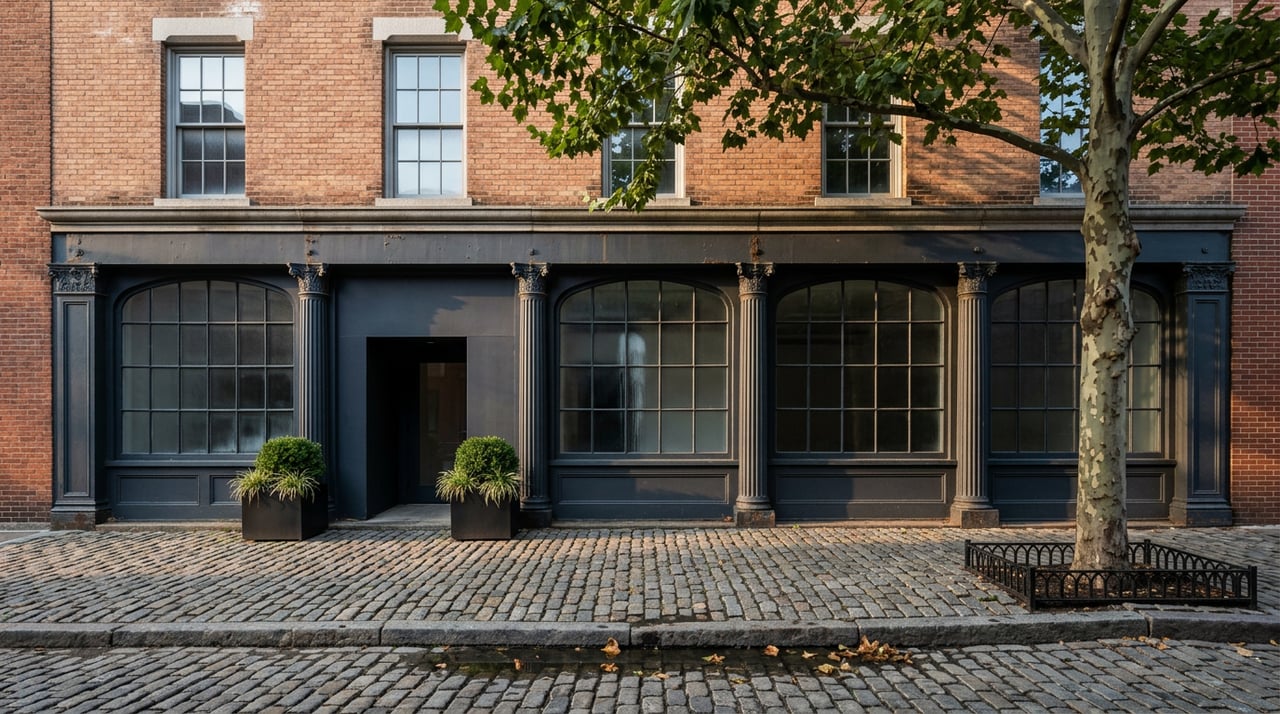
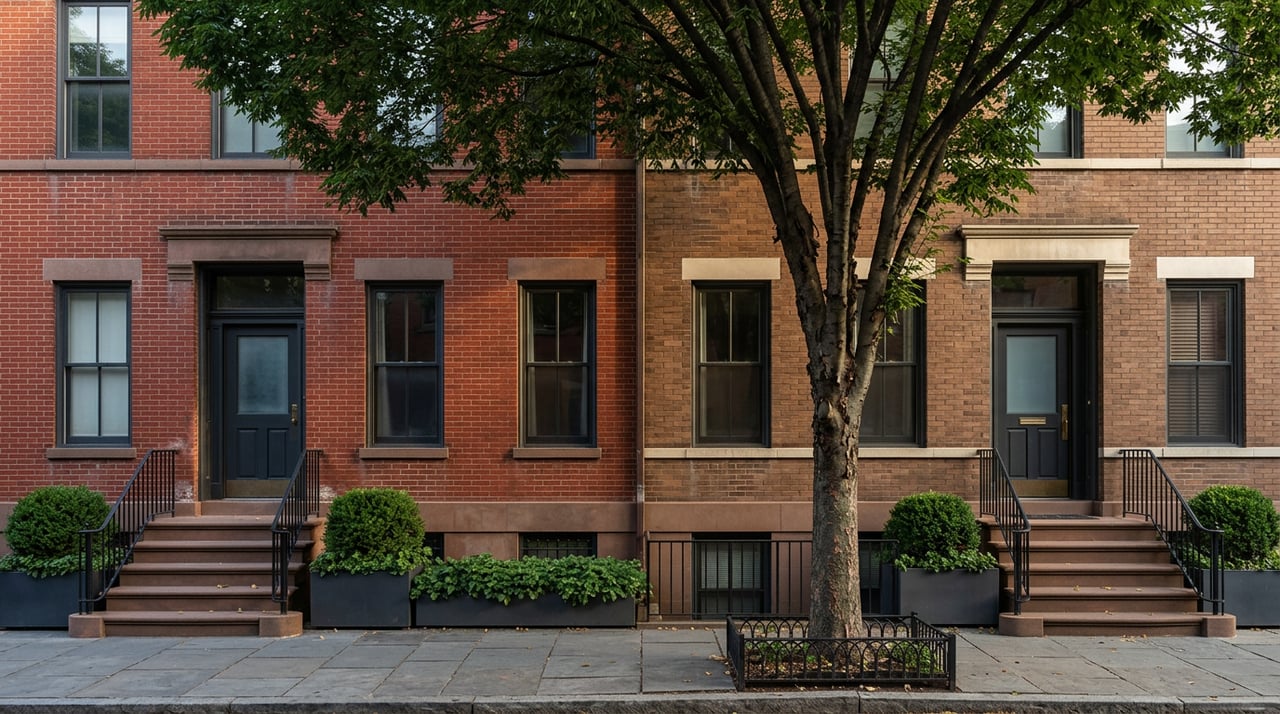
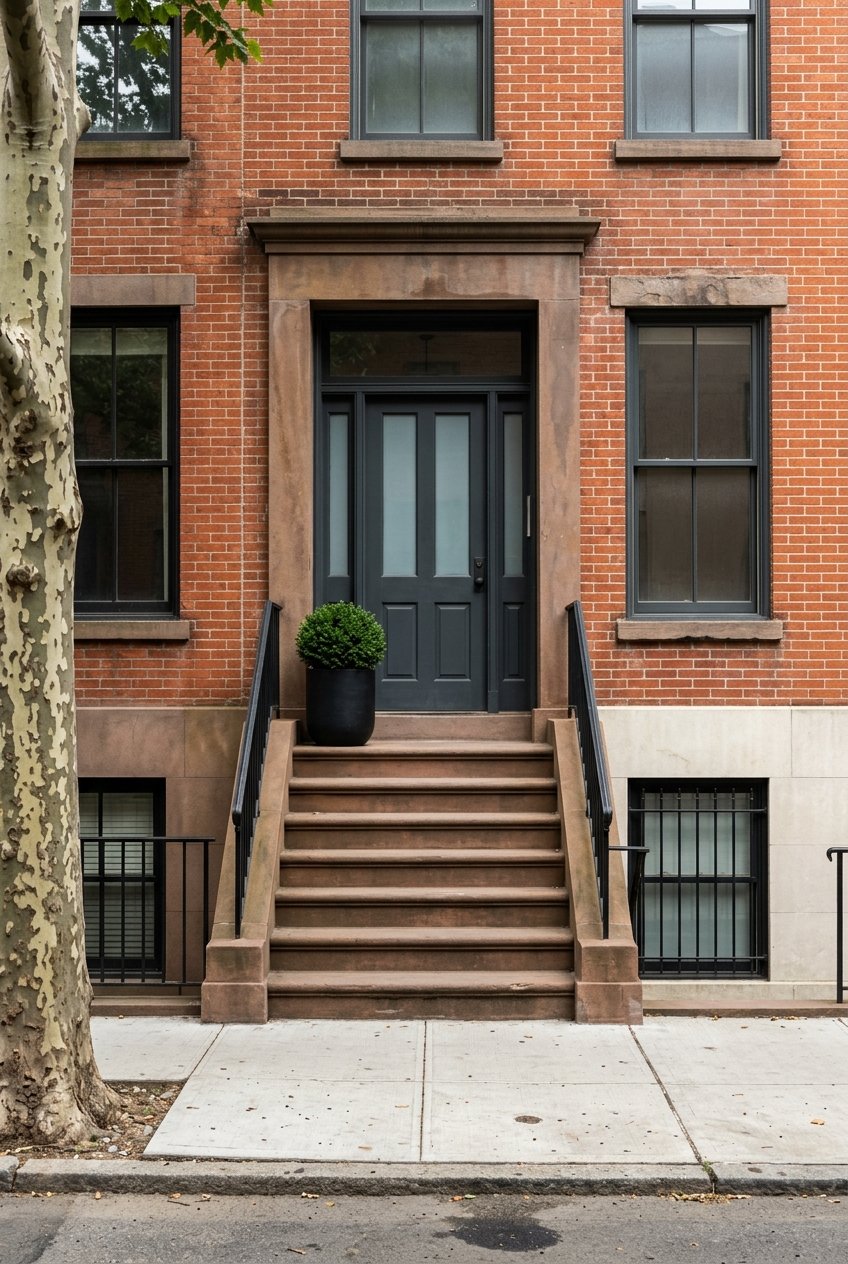
The neighborhood has a strong visual identity. On one side, you have traditional Manhattan streets with brownstones, townhouses, and older apartment buildings. On the other, you have West Chelsea’s industrial-to-creative character, where former warehouses and loft buildings now support galleries, museums, offices, and nightlife.
There is also a constant sense of movement here. Chelsea Market, the High Line, and Hudson River Park are all major draws, so some of the most recognizable parts of the neighborhood can feel lively and visitor-heavy. For many residents, that energy is part of the appeal. For others, it is something to factor into a home search, especially by block and building type.
Art and Culture Shape Daily Life
Chelsea has long been tied to the arts, especially in West Chelsea. New York City planning documents have described the area as the city’s premier art gallery district, and that identity still shows up clearly in the neighborhood today.
The High Line adds to that creative atmosphere. Its public guide describes the park as a place for gardens, art, performances, food, and neighborhood connection, and it features more than 30 art projects each year.
That means art in Chelsea is not limited to formal gallery visits. It often becomes part of your regular routine, whether you are walking to dinner, meeting friends, or spending time outdoors.
Outdoor Space Is a Real Perk
For a dense Manhattan neighborhood, Chelsea offers impressive access to outdoor recreation. The High Line gives you an elevated public space with landscaping, art, and room to walk through the neighborhood in a way that feels different from the street grid below.
Hudson River Park expands that experience along the waterfront. In the Chelsea section, the park includes Chelsea Piers, Chelsea Waterside Park, Pier 62’s Entry Garden, lawns, a skatepark, a carousel, and activities like sailing, kayaking, ice skating, rock climbing, and harbor cruises.
If you value being able to step outside and quickly reach open space, Chelsea stands out. That said, these destination areas are popular. Hudson River Park sees more than 17 million visits each year, so the waterfront often feels active rather than quiet.
Food and Everyday Convenience
Chelsea is well known for food, but what matters most for residents is convenience. Chelsea Market is a major everyday amenity, with a concourse open daily from 7 a.m. to 10 p.m. and a mix of coffee, meals, shopping, and art experiences.
For many people, that means easy options for a quick breakfast, casual lunch, or meeting spot without leaving the neighborhood. Around Chelsea more broadly, the street life supports an easy rhythm for errands, dining, and social plans.
This is one reason Chelsea often appeals to buyers and renters who want a neighborhood that feels useful as much as it feels exciting. You are not choosing between lifestyle and practicality quite as much here.
Housing in Chelsea
Chelsea’s housing stock is one of its biggest strengths because it offers variety within a high-cost Manhattan market. Public planning documents and neighborhood data show a mix that includes low-rise brownstones and townhouses, converted lofts, walk-up tenements, mid-rise and high-rise apartment buildings, co-ops, and condos.
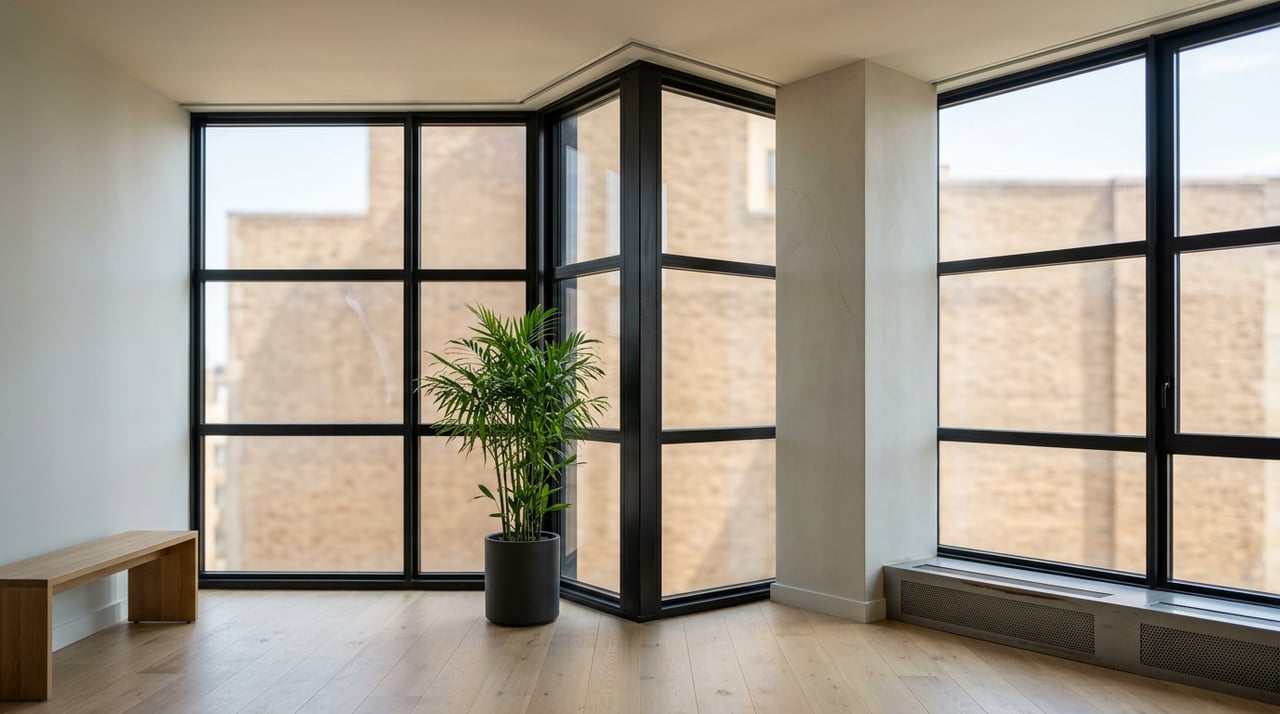
That variety gives the neighborhood several distinct residential experiences. A townhouse or older brownstone block may feel more intimate and classic. A converted loft may offer scale and character. A newer condo building may deliver a more modern layout and service package.
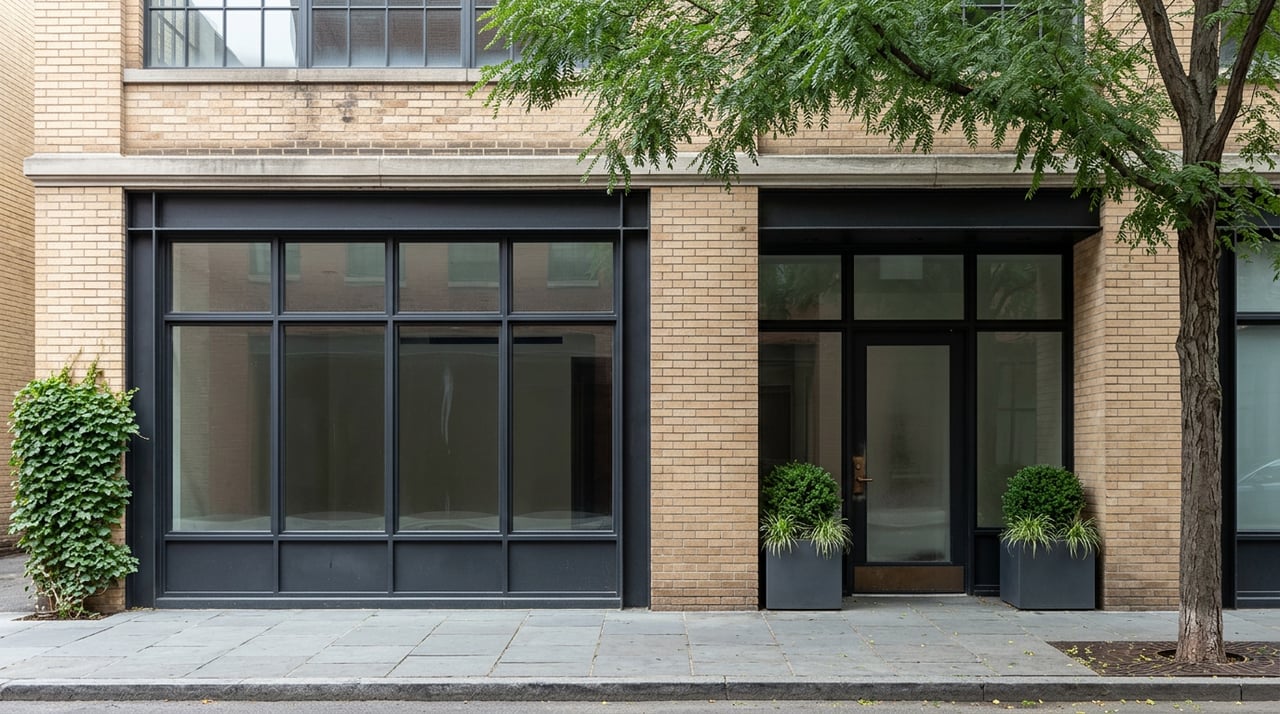
West Chelsea, in particular, reflects the neighborhood’s evolution. Former industrial buildings have been adapted into galleries, offices, nightlife spaces, and residential loft-style living, while newer development has added more housing options over time.
What Prices and Market Context Suggest
Chelsea is expensive, even by New York standards, but it is not one-note. In 2024, the median gross rent in the broader Clinton-Chelsea area was $2,630, and the 2025 median condo sales price per unit was $1.6 million.
The housing picture also includes more than luxury product alone. Between 2010 and 2025, nearly 19,859 units in buildings with four or more units were built in the district, with 74% market-rate and 21% income-restricted, and the area also includes 254 subsidized properties.
That does not make Chelsea inexpensive, but it does mean the neighborhood includes more housing types and price points than its luxury reputation alone might suggest. In a search, the key is often knowing which part of Chelsea aligns with your priorities, budget, and preferred building style.
Renting Versus Buying in Chelsea
If you are deciding whether to rent or buy, Chelsea can support both paths. The neighborhood’s renter-leaning profile and wide range of apartment types make renting a common entry point, especially if you want flexibility or are still learning which part of the neighborhood fits you best.
Buying can make sense if you want to put down roots in a location with strong identity, broad housing inventory, and excellent access to transit and amenities. Depending on the property type, your options may range from co-ops and condos to loft conversions and townhouse opportunities.
Because the housing stock is so mixed, your experience can vary sharply from one building to the next. That makes neighborhood knowledge and building-level guidance especially valuable in Chelsea.
Getting Around Chelsea
Chelsea is especially comfortable if you are happy living a car-light lifestyle. The area has strong subway and bus access, including nearby A, C, E, L, and 7 train connections, plus crosstown bus service on 14th, 23rd, and 34th Streets.
That transit setup aligns with how people already live here. In the broader neighborhood profile, 85.8% of commuters travel car-free, and the average commute time is 26.8 minutes.
For you, that can translate into easy connections to Midtown, Downtown, and other parts of Manhattan. It also means daily life often centers on walking, transit, and proximity rather than driving and parking.
Who Chelsea Often Suits Best
Chelsea tends to work well for people who want an active, connected Manhattan lifestyle. If you like walkability, fast access to transit, a visible arts presence, and easy proximity to outdoor space, the neighborhood checks a lot of boxes.
It can be a strong fit for professionals, pied-à-terre buyers, and anyone drawn to loft living, condo living, or classic Manhattan streetscapes. It may also appeal to buyers who want access to both polished newer buildings and older homes with architectural character.
At the same time, Chelsea is not a one-size-fits-all neighborhood. Some corridors are busier, more visitor-oriented, and more fast-paced than others. The right fit often comes down to the exact block, building, and daily rhythm you want.
What to Consider Before You Move
Before choosing Chelsea, think carefully about how you want your home to feel when you step outside. Do you want to be near the High Line, galleries, and the waterfront, or would you prefer a quieter residential block within the neighborhood?
It also helps to define your housing priorities early. You may be deciding between charm and convenience, prewar character and newer finishes, or a full-service condo and a more classic co-op or walk-up experience.
Chelsea rewards a thoughtful search. When you match your lifestyle to the right micro-location and property type, the neighborhood can offer a distinctly rich Manhattan living experience.
If you are exploring Chelsea as a buyer or preparing to sell in this part of Manhattan, working with an advisor who understands the neighborhood’s building mix, pricing context, and lifestyle differences can make the process far more precise. For discreet, highly personalized guidance, schedule a confidential consultation with Stefani Berkin.
FAQs
What is daily life like in Chelsea, Manhattan?
- Daily life in Chelsea is typically walkable, active, and transit-friendly, with easy access to art spaces, restaurants, Chelsea Market, the High Line, and Hudson River Park.
What types of homes are available in Chelsea?
- Chelsea includes brownstones, townhouses, loft conversions, walk-up tenements, co-ops, condos, and mid-rise to high-rise apartment buildings.
Is Chelsea a good neighborhood for car-free living?
- Yes. Public neighborhood data shows 85.8% of commuters travel car-free, and Chelsea has access to multiple subway lines and crosstown bus routes.
Is Chelsea mostly a rental neighborhood or a buying neighborhood?
- Chelsea is renter-leaning overall, with homeownership at 19.2% in the broader Clinton-Chelsea profile, though buyers can still find a wide range of co-op, condo, loft, and townhouse options.
What makes Chelsea different from other Manhattan neighborhoods?
- Chelsea stands out for its mix of historic and modern housing, strong gallery presence, major outdoor amenities like the High Line and Hudson River Park, and a lifestyle that blends creativity with convenience.