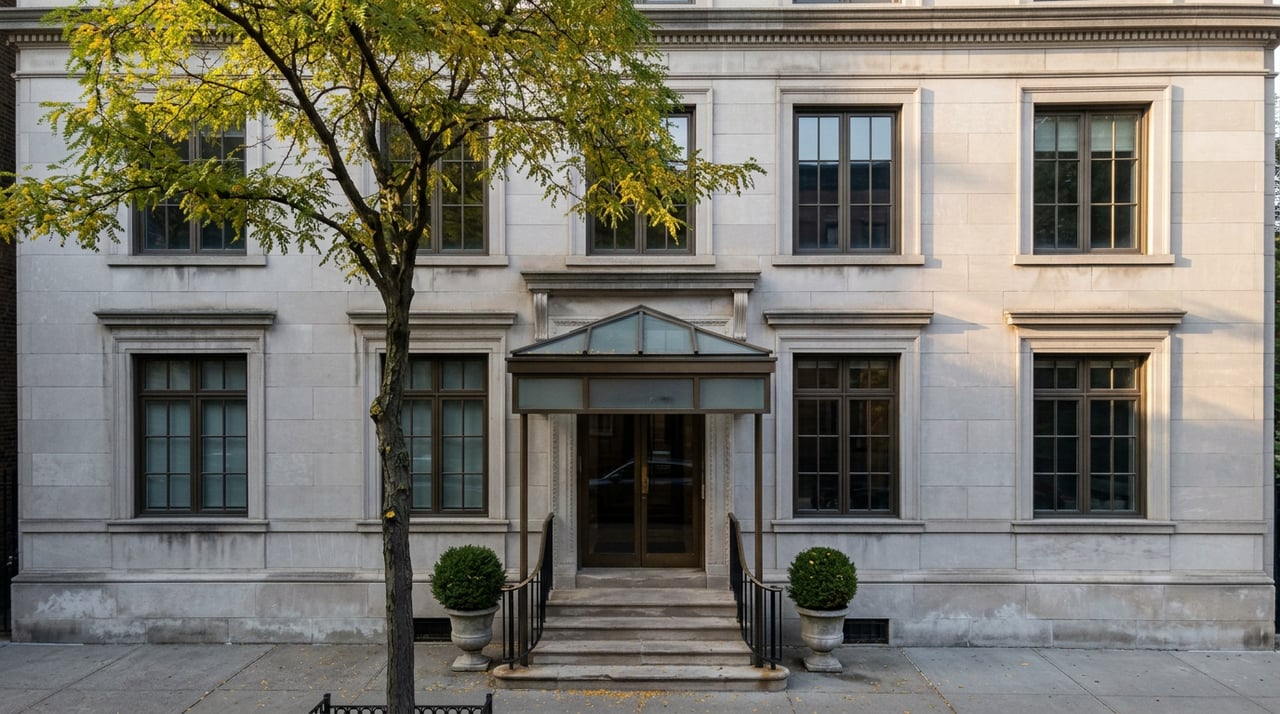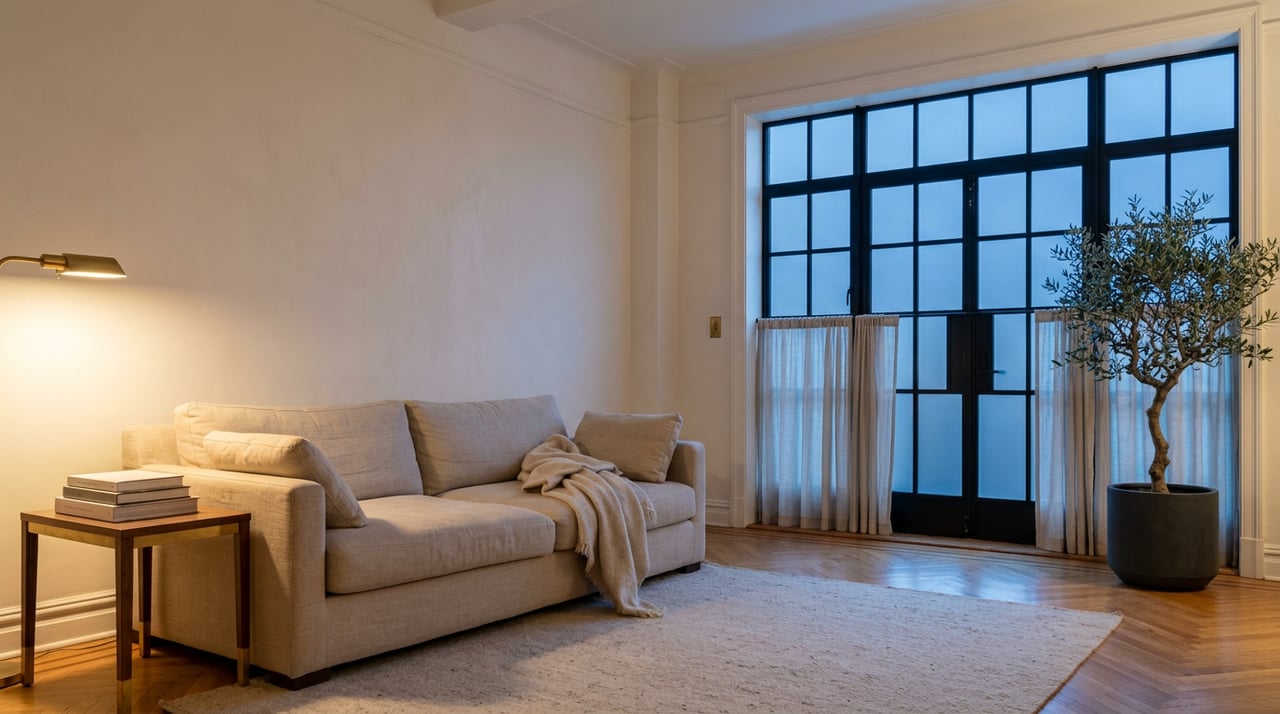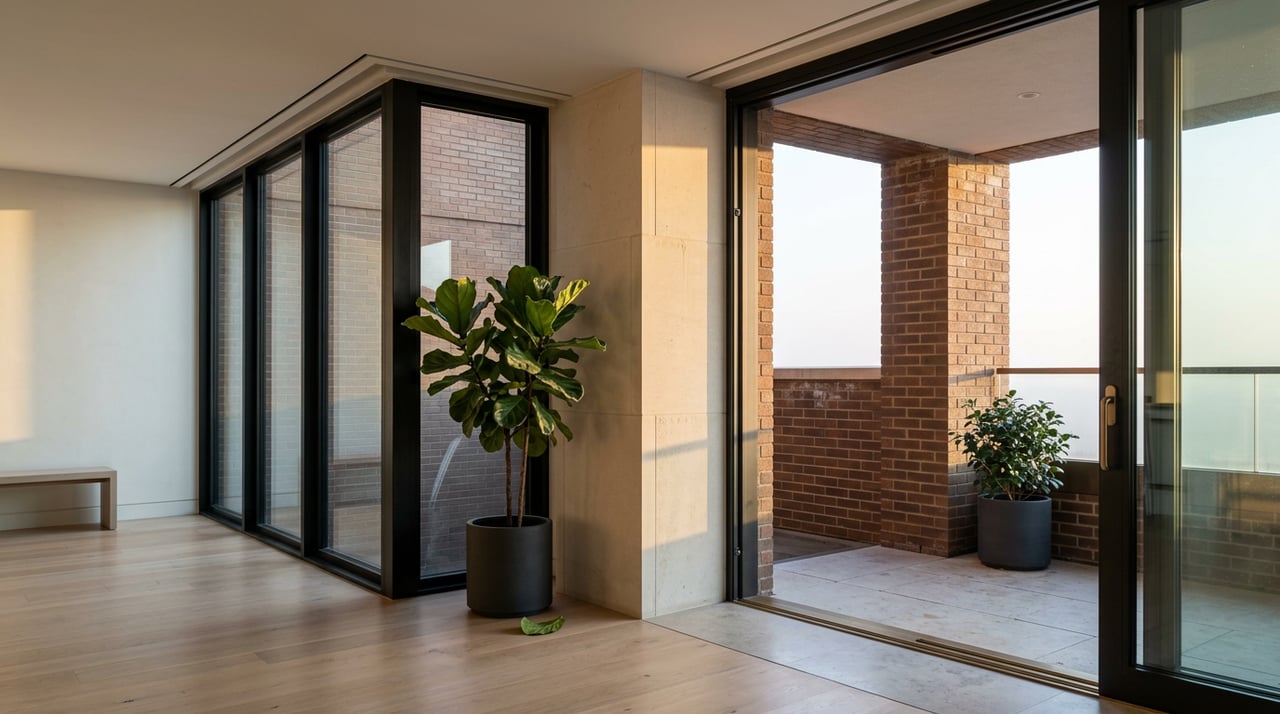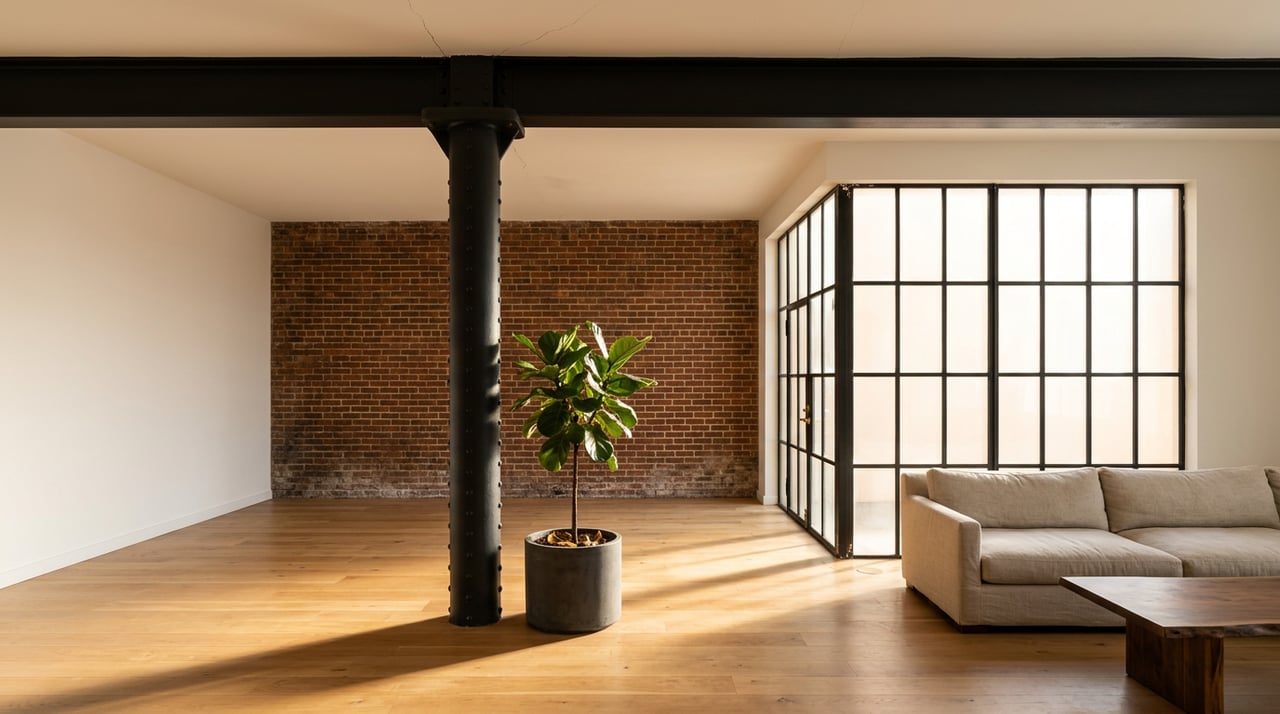
A buyer stood in a raw loft on Franklin Street last spring, running a hand along a cast iron column, watching light move across fourteen-foot ceilings. The space did what Tribeca lofts are supposed to do. It sold itself before anyone said a number out loud. Then came the question that actually decides whether that loft closes on schedule or drags for months: what does the certificate of occupancy say this building is legally allowed to be.
That question, not the median price, is the one that separates a clean Tribeca purchase from a complicated one. The neighborhood's headline numbers move around more than buyers expect, and two new state and city rules took effect this summer that change the math on timing and cost for anyone closing this year. The building's legal history and its regulatory status are doing more work than the price per square foot ever will.
The Building Category You're Actually Buying Into
Tribeca lofts aren't one product. They fall into a few distinct categories, and the category determines what kind of documentation trail you're inheriting.
| Category | Typical era | What to expect |
|---|---|---|
| Industrial-to-residential conversion | 1960s to 1990s | Original columns, timber beams, exposed brick. Older mechanical systems. Sprinklers and centralized HVAC often added later, if at all. |
| Commercial conversion | 1990s to 2010s | Former office floor plates. Window proportions and layouts shaped by the building's prior commercial use. |
| New construction, loft-style | Recent | Modern systems and full-service amenities built to evoke the loft look, not to inherit it. |
| Hybrid | Varies | A historic shell with a rebuilt interior. Preserved facade, contemporary infrastructure behind it. |
A buyer touring three lofts in one afternoon can walk through all four categories without realizing the legal ground under each one is completely different. The early conversions are the ones most likely to have gaps in their paperwork. That's where the real due diligence starts.
Why "Artist Loft" Doesn't Apply Here
Buyers who've shopped SoHo before shopping Tribeca sometimes carry over an assumption that doesn't hold. SoHo and NoHo have a real certification requirement: the city's Department of Cultural Affairs certifies working artists to qualify for joint living-work space in the M1-MA and M1-MB zoning districts, a rule tied directly to those neighborhoods' zoning history. Tribeca sits outside that rule entirely. No certification requirement applies here, despite decades of marketing language that borrows the same artist-loft vocabulary for buildings that were never subject to the same zoning framework.
The distinction matters for a practical reason. If your board package or your building's offering plan references artist certification, that's a flag to ask why, not an assumption to wave off as neighborhood tradition. It's the kind of detail a buyer's attorney should confirm rather than infer from a listing description.
Which Historic District You're In Changes What You Can Touch
A large share of Tribeca sits inside one of five separately designated historic districts: Tribeca East, Tribeca North, Tribeca South, the Tribeca South Historic District Extension, and Tribeca West. The neighborhood also carries a Special Tribeca Mixed Use District zoning overlay layered on top of that. None of this shows up on a floor plan.
What it means in practice is that exterior work, window replacement, facade changes, roof alterations, and terrace additions on a landmarked or historic-district building require advance approval from the Landmarks Preservation Commission, on top of whatever your board or condo association requires. Interior renovations don't automatically trigger that review, but the question needs to get asked before anyone assumes a window upgrade is a weekend project. If your purchase depends on a future exterior change, confirming that approval path before you're in contract saves months later.
Two New Rules That Reset The Clock And The Cost This Year
Two regulatory changes landed in 2026 that directly affect Tribeca closings, and both are recent enough that a lot of buyers haven't priced them in yet.
The first is New York City's Cooperative Application Timeline Law, known as Local Law 58, which took effect July 28, 2026, and governs purchase applications made on or after that date. It requires co-op boards to acknowledge an application within 15 days and to approve or deny it within a set window, with penalties if a board misses its deadlines. For a Tribeca loft co-op, where board review has historically been one of the least predictable parts of a closing, this gives buyers a real deadline to point to instead of an open-ended wait.
The second is New York State's pied-à-terre surcharge under Tax Law Article 30-C, effective July 1, 2026, which applies an annual charge of 4 to 6.5 percent to non-primary condos and co-ops valued at $1 million or more, running through 2031. It doesn't apply to an owner's primary residence, to unsold sponsor units, or to units without a certificate of occupancy, but it applies to plenty of the pied-à-terre and investment purchases that make up a real share of Tribeca's buyer pool. If you're weighing a Tribeca loft as a second home rather than a primary residence, this is now a line item in your annual carrying cost, not a hypothetical.
What 101 Franklin Street Tells You About What's Coming
The most concrete evidence of where Tribeca's supply is headed sits at 101 Franklin Street, also addressed as 250 Church Street. The building spent nearly a decade empty after the city's Human Resources Administration moved out in 2017. In 2024, Skylight Real Estate Partners, Cannon Hill Capital Partners, and TPG bought it for more than $100 million and scrapped an earlier office-renovation plan in favor of a full residential conversion. Manhattan Community Board 1 approved the expansion and conversion in March 2026, clearing the way for a 17-story building to become a 21-story, 72-unit condominium designed by Steven Harris Architects, with Hill West Architects as architect of record.
The approval didn't come without friction. At the Community Board 1 review, Councilman Christopher Marte criticized the project for including zero affordable units, a position in line with his earlier stand as the only City Council vote against the citywide "City of Yes" framework the previous year.
This proposal does nothing to address our housing crisis.
That tension matters for buyers because it's a preview of how most new Tribeca supply is likely to arrive going forward: as market-rate conversions of vacant office stock, not as raw loft buildings coming onto the market with the kind of legal ambiguity older conversions carry. 101 Franklin sits across from 56 Leonard, Tribeca's tallest building and known locally as the Jenga Building for its pixelated silhouette, where units have traded between $2,500 and $6,000 per square foot. The new building won't match those sightlines, but it will offer a certificate of occupancy issued fresh for residential use from day one, which is exactly the kind of clean paperwork trail that older loft conversions often lack.
Reading The Market Numbers Without Getting Fooled
Tribeca's price data swings harder than most Manhattan neighborhoods because the sample size is small. In January 2026, the median condo sale price in Tribeca was $3.9 million, up 32.2 percent year over year, while the median co-op sale price fell to $2.8 million, down 33.8 percent over the same period. That's not two different markets moving in opposite directions. It's the same small, high-value market where a single oversized loft sale or a single quiet month for co-op closings can swing the median more than a buyer would expect from a larger neighborhood.
Zoom out to the full year and the picture steadies. Across 2025, the combined SoHo and Tribeca condo corridor recorded 398 closed sales, up 26.8 percent from 2024, with an average price per square foot of $2,375. That's a market with real transaction volume behind it, not a headline number propped up by one trophy sale. The lesson for a buyer comparing two lofts isn't to chase whichever monthly median looks favorable. It's to ask what specific building, what specific renovation history, and what specific legal status sits behind the number.
The Short Checklist Before You Write An Offer
- Request the certificate of occupancy and confirm it matches residential use for your specific unit
- Ask whether the building has any Loft Law history and whether that process was completed
- Pull open and expired Department of Buildings permits before assuming a past renovation was filed correctly
- Confirm which historic district, if any, the building sits in and whether any planned changes would need Landmarks Preservation Commission review
- Decide now whether the purchase will be a primary residence or a pied-à-terre, since that decision now carries a real annual tax difference
- If it's a co-op, ask your attorney how Local Law 58's new deadlines apply to your specific application timeline
Frequently Asked Questions
Does Tribeca require artist certification to buy a loft? No. That requirement applies to SoHo and NoHo's M1-MA and M1-MB zoning districts. Tribeca buildings marketed with artist-loft language are not subject to the same certification process.
What is the Loft Law and does it still matter in Tribeca? The Loft Law governs the legalization of former commercial or manufacturing buildings for residential use. Older Tribeca conversions may have a Loft Board history worth reviewing before you assume the building's residential status is fully settled.
How does the new pied-à-terre tax affect a Tribeca purchase? If the property won't be your primary residence and is valued at $1 million or more, the annual surcharge under Tax Law Article 30-C applies starting with the 2026 tax year. Primary residences, unsold sponsor units, and units without a certificate of occupancy are exempt.
Do Tribeca co-op boards move faster now? As of July 28, 2026, Local Law 58 requires boards to acknowledge an application within 15 days and to approve or deny it within a set timeline, giving buyers a firmer sense of what to expect after submitting a board package.
A Tribeca loft rewards patience with the paperwork the same way it rewards patience with the search. If you're weighing a purchase against this year's new rules and this year's new supply, Stefani Berkin can walk through what a specific building's history actually means for your timeline. Schedule a confidential consultation before you write the offer, not after.