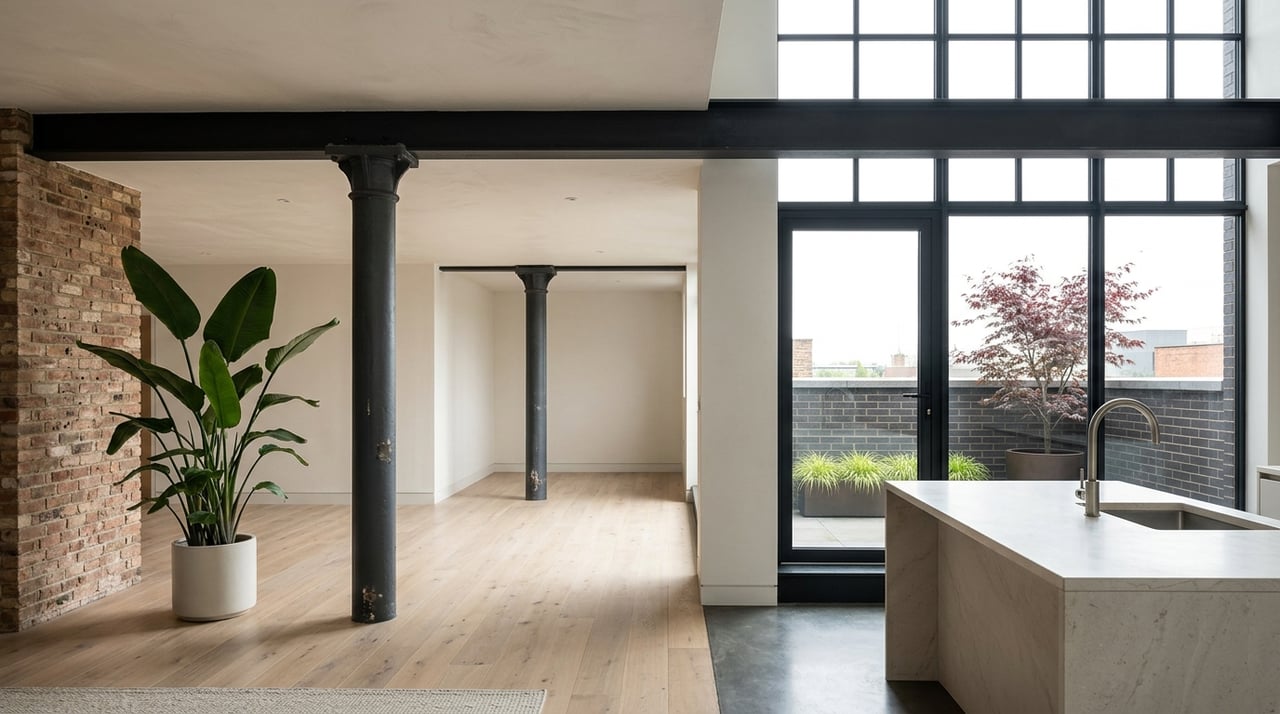
If you own a luxury loft in Tribeca, pricing it well is one of the most important decisions you will make. Price too high, and you may lose early momentum. Price too low, and you risk leaving real value on the table. The good news is that Tribeca gives you strong clues if you know where to look. This guide walks you through how to price a luxury loft in Tribeca with more confidence and less guesswork. Let’s dive in.
Tribeca Pricing Starts With Context
Tribeca remains one of Manhattan’s highest-priced downtown markets. StreetEasy currently shows a median sale price of $3.5 million in the neighborhood, with median days on market at 54.
That broad snapshot is useful, but it is not enough to price a loft accurately. Douglas Elliman’s Q2 2025 Manhattan report places the luxury segment, defined as the top 10% of sales, at a median sale price of $6,525,000, with average price per square foot of $2,819 and median days on market of 133. Luxury inventory also fell 21.2% year over year while median luxury sale price rose 8.8%, which helps explain why premium properties can still command strong numbers even when they take longer to sell.
For you as a seller, the takeaway is simple: neighborhood averages are only the starting point. In Tribeca, a luxury loft should be priced against recent building-level and line-level comparables whenever possible.
Why Tribeca Lofts Price Differently
Luxury lofts do not trade like standard apartments. In Tribeca, buyers often respond as much to architecture, light, and scale as they do to bedroom count or square footage.
That means two lofts with similar sizes can land in very different pricing ranges. The difference often comes down to whether the space feels authentic, efficient, and easy to live in.
Ceiling Height and Volume Matter
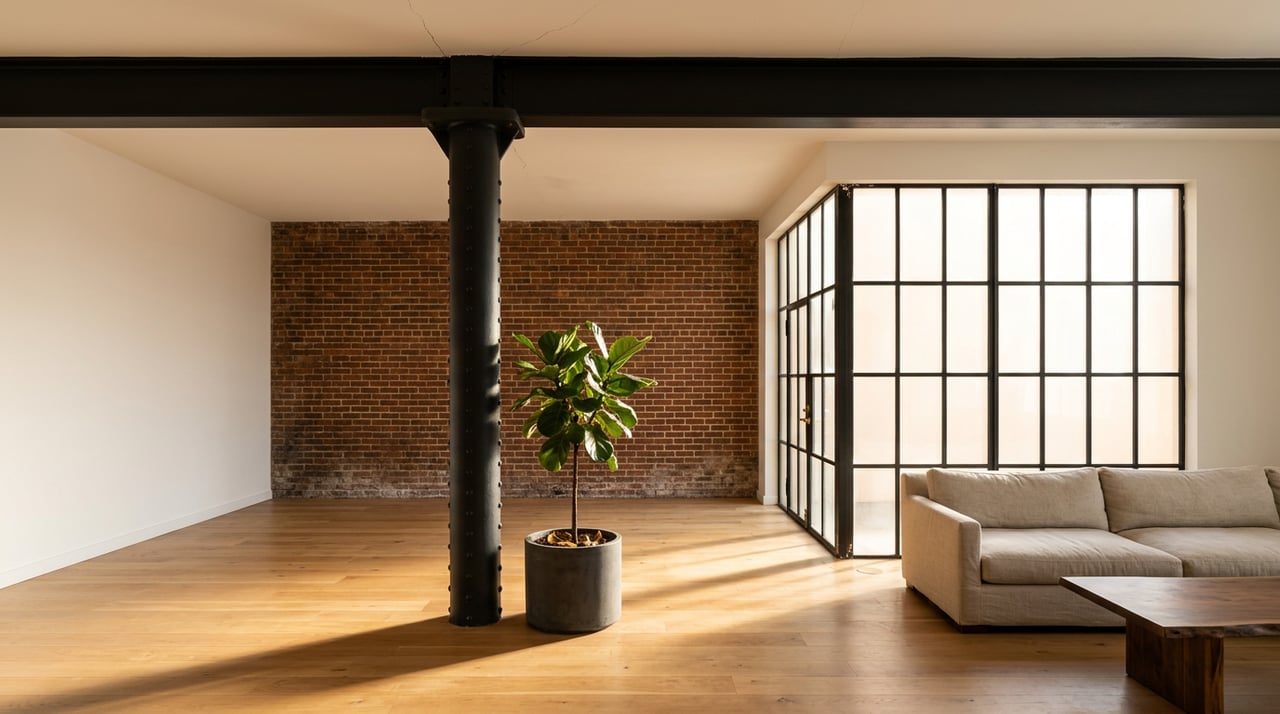
Tribeca lofts are often valued for their sense of volume. StreetEasy descriptions for buildings such as 79 Worth Street highlight soaring ceilings, oversized windows, columns, and cast-iron architecture because those features shape how the home feels the moment a buyer walks in.
Higher ceilings can support stronger pricing when they create better light, more visual impact, and more usable wall space. In a loft, that sense of scale is part of the product.
Columns and Layout Efficiency Count
Columns can add character, but they can also affect usability. If they frame the living space well, buyers may see them as part of the loft’s identity. If they interrupt furniture placement or make circulation awkward, they may limit how efficiently the floor plan lives.
That is why pricing cannot stop at square footage alone. You need to consider how well the space actually functions.
Views, Outdoor Space, and Roof Rights Add Real Value
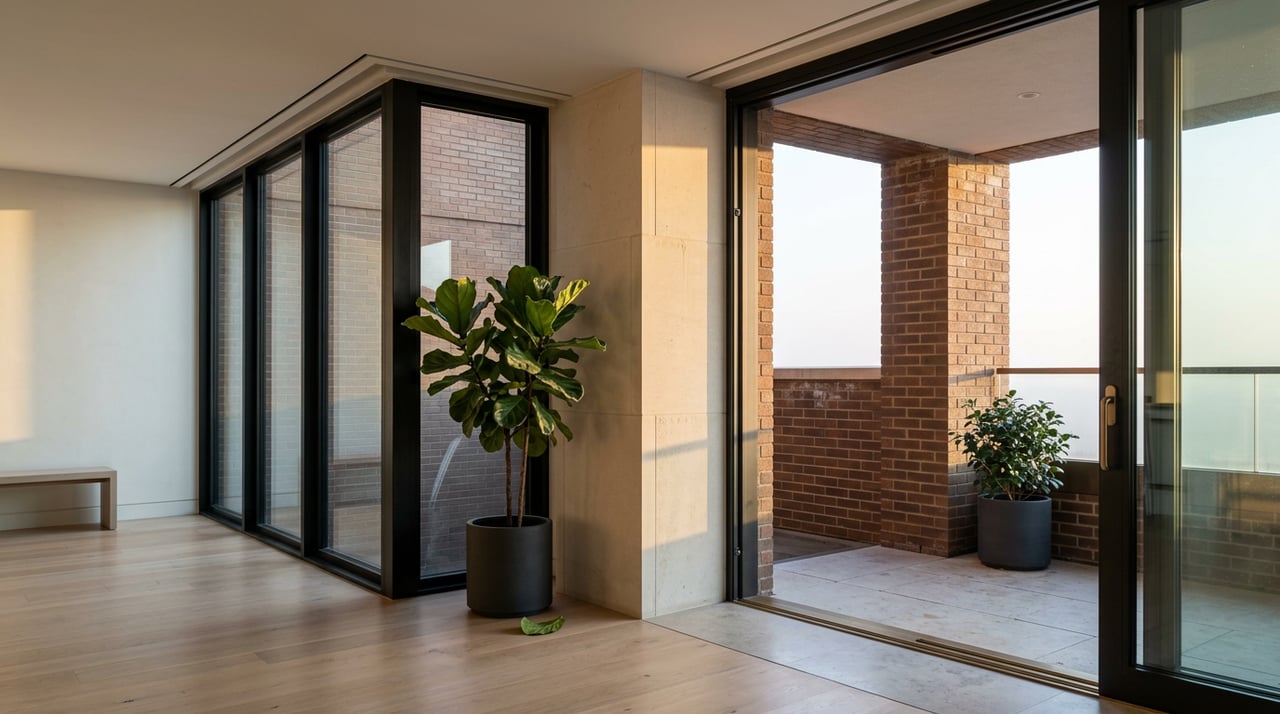
Private outdoor space can materially shift value in Tribeca. Recent marketing at 100 Barclay highlighted private outdoor space, roof rights, and city or skyline views because those features can move a property into a different pricing lane.
Not all outdoor space carries equal weight. Buyers tend to value it more when it is private, directly connected to the main living or entertaining area, and easy to understand in listing photos and floor plans.
Building Type Shapes Your Buyer Pool
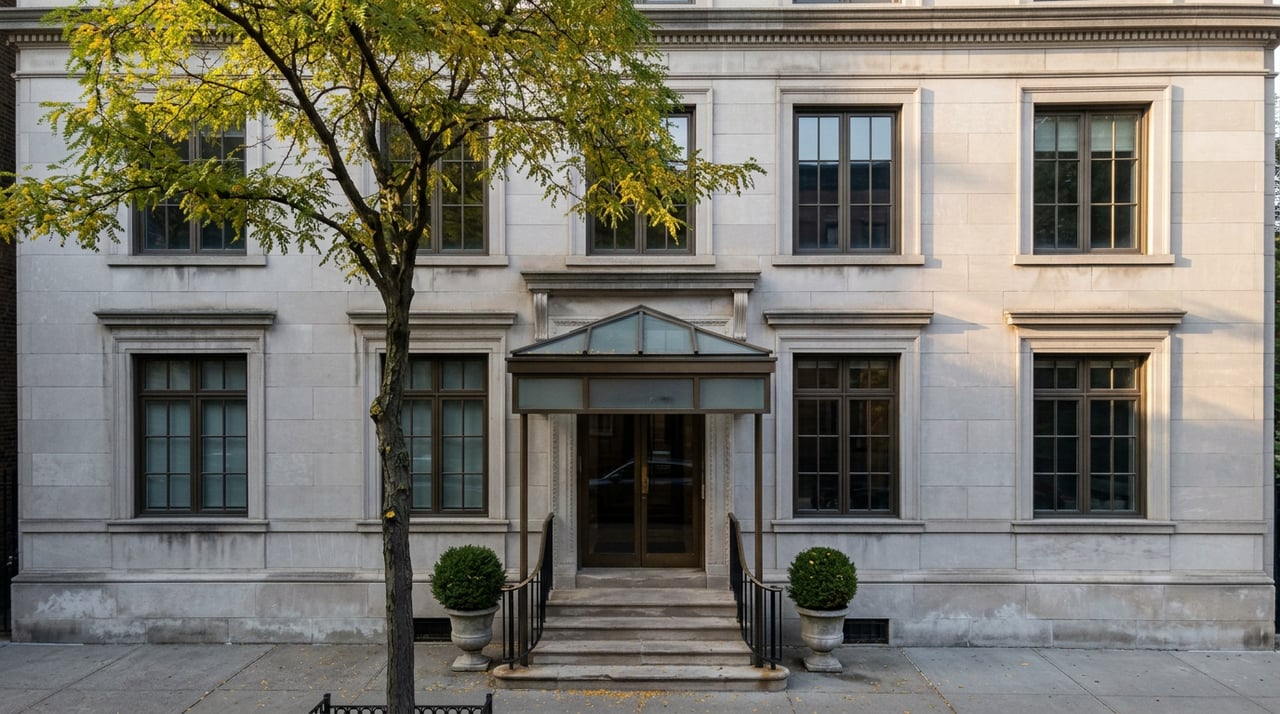
Tribeca includes both landmarked boutique loft buildings and full-service luxury conversions. Each appeals to a somewhat different buyer, and your pricing should reflect that.
Boutique Historic Lofts
Buildings like 79 Worth Street and the Gerken Building are often prized for authenticity, prewar character, and privacy. Full-floor layouts, restored details, and historic architecture can be major pricing strengths when the buyer wants a true loft experience.
That said, some buyers may weigh the tradeoff between architectural character and everyday convenience. A boutique building may not offer the same level of services as a full-service condominium.
Full-Service Luxury Buildings
In contrast, 100 Barclay is described by StreetEasy as offering one of Tribeca’s most comprehensive amenity packages, including concierge, doorman, live-in super, package room, storage, and wellness and recreation features.
That kind of service environment often attracts buyers who value ease, staffing, and amenities as much as volume or historic detail. If your loft sits in a full-service building, your comp set should reflect that specific buyer expectation.
Landmark Status Can Affect Price
Many Tribeca properties are individually landmarked or located within historic districts. In New York City, the Landmarks Preservation Commission must approve alterations, reconstructions, demolitions, and new construction affecting landmarks.
For pricing, this matters in a very practical way. Buyers may pay more for a loft with high-quality approved work, but they may discount spaces with unpermitted alterations or unclear renovation history. If your loft has undergone meaningful changes, confirming that approvals are in order can support stronger buyer confidence.
How To Read Tribeca Comparables
The best comp strategy is usually narrow first, broad second. Start inside your own building, then expand only to peer buildings that share a similar loft profile.
You want comparables that match not just in size, but in feel. In Tribeca, that includes ceiling height, line, views, outdoor space, floorplate efficiency, and amenity level.
Recent Sales Show Why Precision Matters
Recent Tribeca sales show how pricing can vary even within the neighborhood. According to the research provided:
- 100 Barclay #12L sold for $3.7 million on 9/29/25 at 2,222 square feet, or about $1,665 per square foot
- Tribeca Lofts #1R sold for $2.9 million on 5/6/25 at 1,909 square feet, or about $1,519 per square foot
- The Tribeca #8D sold for $2.19 million on 5/19/25 at 1,301 square feet, or about $1,683 per square foot
Those closings were also near asking price, which suggests that well-calibrated Tribeca lofts can trade close to ask when the product and pricing are aligned.
Use Price Per Square Foot Carefully
Price per square foot is a helpful tool, but it is not the full answer. A loft with better proportions, stronger light, more dramatic ceiling height, or private outdoor space may deserve a premium over a larger but less compelling unit.
The same is true in reverse. If your loft has a more challenging layout or fewer services than a nearby comp, your pricing should reflect that honestly.
A Practical Pricing Framework
If you are preparing to sell, this five-step framework can help you build a more defensible asking price.
1. Start With Same-Building Sales
Your own building is usually the most reliable place to begin. Recent sales there already account for building reputation, service level, monthly carrying costs, and buyer profile.
If there are no strong recent matches, then widen the search carefully.
2. Normalize the Data
Review each comparable on a price-per-square-foot basis so you can compare apples to apples. Then go beyond the math and evaluate volume, ceiling height, line, light, and efficiency.
In lofts, the experience of the space often matters as much as its measured size.
3. Adjust for Outdoor Space and Views
If your loft includes a terrace, roof rights, or notable city views, those features may justify a higher pricing lane. If another comp has those benefits and yours does not, that difference should be adjusted downward.
The key is to compare feature sets honestly, not selectively.
4. Review Landmark and Renovation Issues
If the building is landmarked or in a historic district, confirm the status of visible alterations. Approved work can reduce buyer uncertainty, while unclear work can create friction during due diligence.
That friction can influence both price and time on market.
5. Support the Price With Presentation
Even a well-priced loft can underperform if buyers cannot understand it online. In a visual market like Tribeca, your media package helps justify your asking price before a showing is ever scheduled.
That includes staging, photography, floor plans, video, and virtual tours when appropriate.
Marketing Supports Premium Pricing
Presentation matters because many buyers will form their first opinion online. The 2025 NAR staging report found that 83% of buyers’ agents said staging made it easier for buyers to visualize a property as a future home.
The same report said about 29% of buyers’ agents saw a 1% to 10% increase in dollar value offered due to staging, and nearly half of sellers’ agents reported reduced time on market. It also identified photos, traditional staging, video tours, and virtual tours as some of the most important listing elements.
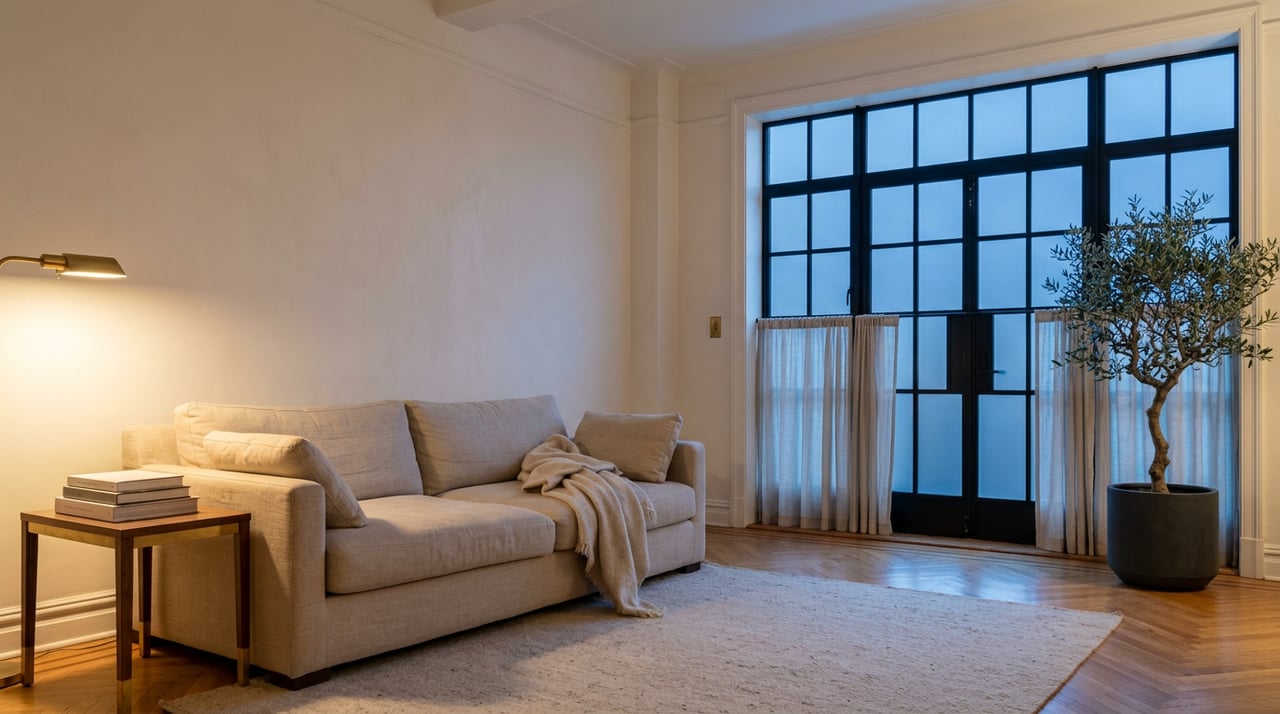
For a Tribeca loft, staging should do more than fill space. It should clarify scale, show how rooms connect, and make the home’s architecture legible.
Focus on the Most Important Spaces
The NAR report notes that buyers and agents pay close attention to spaces like the living room, primary bedroom, kitchen, dining room, and outdoor areas. In a loft, those spaces often flow together, so your presentation needs to create a clear sense of use without fighting the openness that buyers came for.
Strong photography is especially important in Tribeca because the value proposition is visual. Buyers need to understand light, volume, and layout quickly.
The Best Price Is Defensible
The strongest asking price is not just optimistic. It is defensible. It reflects current demand for your specific building type, your loft’s exact feature set, and the way buyers will experience the home both online and in person.
In Tribeca, that usually means combining building-level comps, nuanced feature adjustments, and high-level marketing execution. When those three pieces line up, you give yourself the best chance to attract serious buyers and protect value.
If you are preparing to sell a Tribeca loft and want a pricing strategy grounded in market evidence, presentation, and discretion, schedule a confidential consultation with Stefani Berkin.
FAQs
How should you price a luxury loft in Tribeca?
- Start with recent sales in the same building, then adjust for square footage, ceiling height, layout efficiency, views, outdoor space, and service level.
What features add the most value to a Tribeca loft?
- Features that can materially affect value include strong ceiling height, oversized windows, usable layout, private outdoor space, roof rights, and city or skyline views.
Why are same-building comps important for Tribeca loft pricing?
- Same-building comps are often the most reliable because they reflect the building’s buyer pool, services, reputation, and overall product type.
Does landmark status affect pricing for a Tribeca loft?
- Yes. In landmarked buildings or historic districts, buyers may factor in the quality and approval status of renovations because alterations often require Landmarks Preservation Commission approval.
Can staging help support a higher loft price in Tribeca?
- Yes. The 2025 NAR staging report found that staging can help buyers visualize the home, may improve offer value, and can reduce time on market.
What is the Tribeca market context for luxury sellers right now?
- StreetEasy shows a current Tribeca median sale price of $3.5 million and median days on market of 54, while Manhattan luxury data shows strong pricing but longer marketing times for top-tier properties.