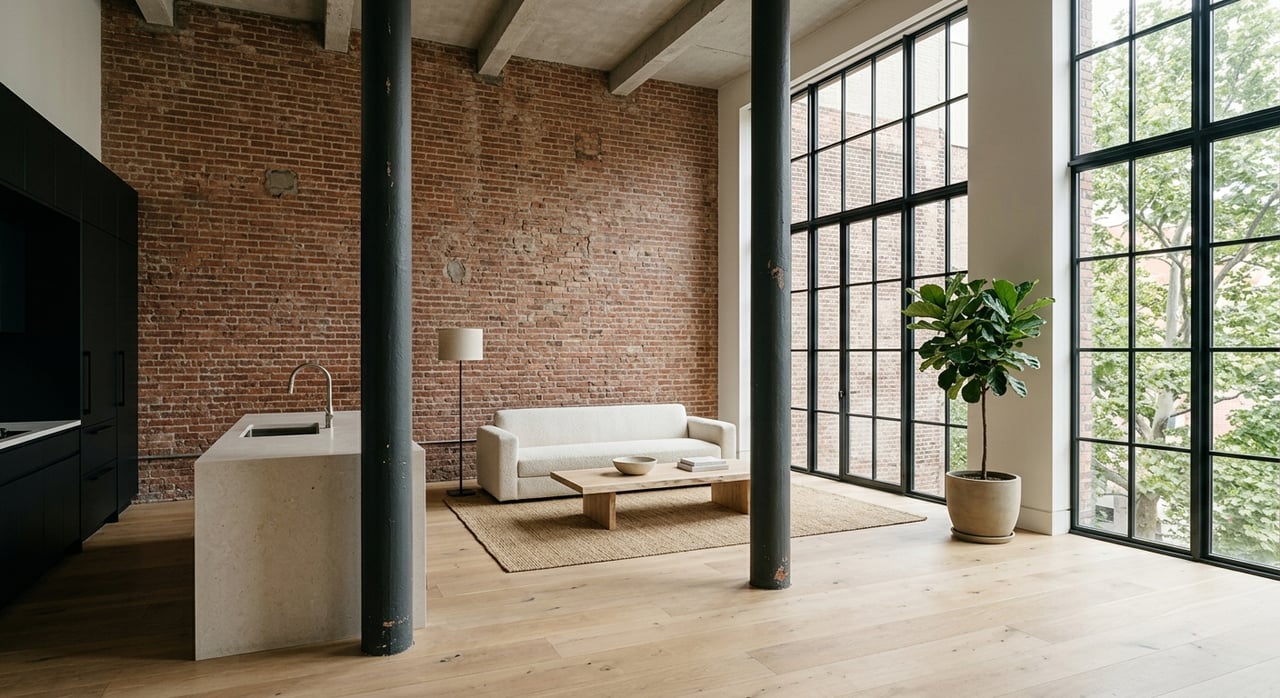
Ever wonder why Tribeca lofts feel so different from a typical Manhattan apartment? The answer is in the bones. What began as a district of warehouses and factory buildings evolved into one of downtown’s most distinctive residential settings, where industrial scale now meets refined design. If you are considering buying or renovating in Tribeca, understanding that transition can help you recognize real value and avoid costly surprises. Let’s dive in.
How Tribeca Became a Loft Destination
Tribeca stands for Triangle Below Canal Street, though the name now covers a broader area than its original footprint. By the early 1970s, residential tenants were already moving into former loft spaces south of Canal Street as industrial uses receded.
A major turning point came in 1976, when the Special Lower Manhattan Mixed Use District explicitly allowed residential lofts alongside light manufacturing. That policy change helped formalize the neighborhood’s shift from a working industrial district to a place where people could live in large former commercial spaces.
Preservation shaped the next chapter. The Landmarks Preservation Commission designated Tribeca West in 1991 and Tribeca North in 1992, which means many buildings now fall under historic district review for exterior changes.
You can still see that industrial past at street level today. Original granite slabs and cobblestone roadways remain on some streets, giving Tribeca a physical texture that feels tied to its warehouse-era roots.
Why Tribeca Lofts Feel So Special
Many of Tribeca’s loft buildings were originally designed for work, not conventional apartment living. Warehouses and factories prioritized function, which led to large windows, open floor plates, widely spaced columns, and durable slow-burning construction.
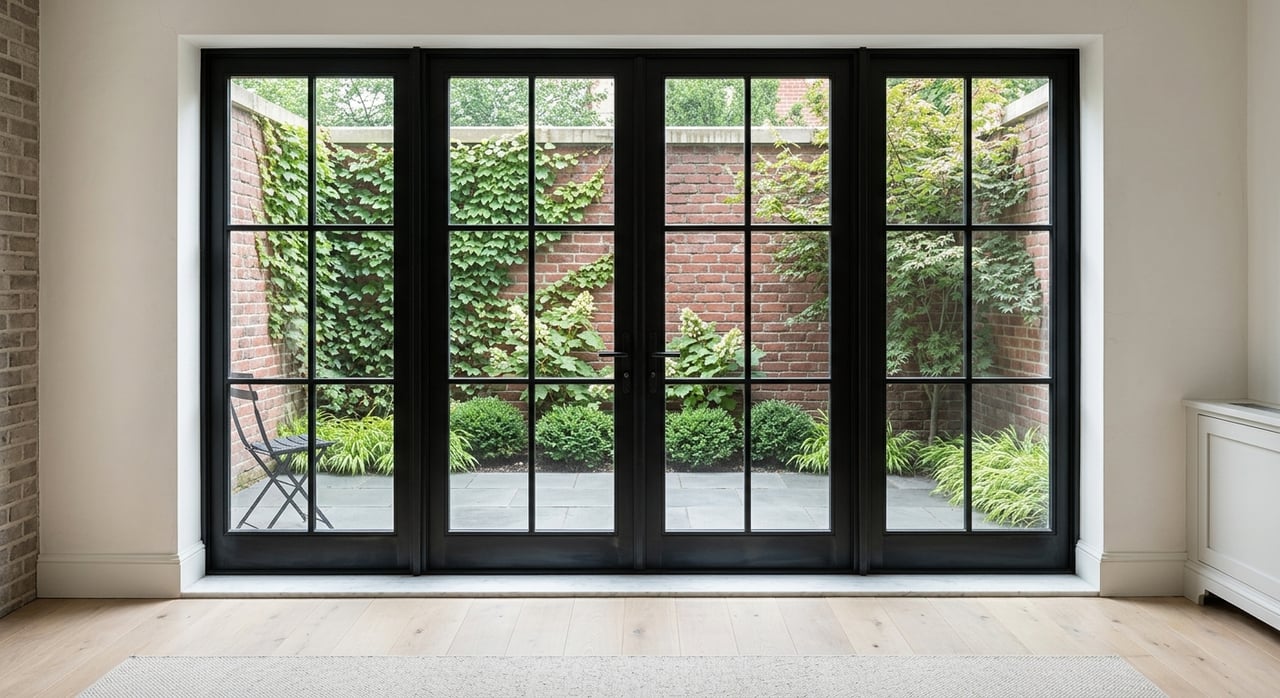
Those practical design choices are a big reason Tribeca lofts still feel unusually airy and expansive. Compared with more standard apartment layouts, they often offer a sense of volume and natural light that is hard to replicate in newer construction.
That is part of the enduring appeal. When you walk into a well-converted loft, you are often experiencing a space that was shaped by a different era of architecture, one that valued openness and utility in ways that translate beautifully to modern living.
What Industrial-to-Luxury Looks Like Today
Today’s Tribeca loft living is rarely about choosing between raw industrial space and polished comfort. In many cases, the most compelling homes blend both.
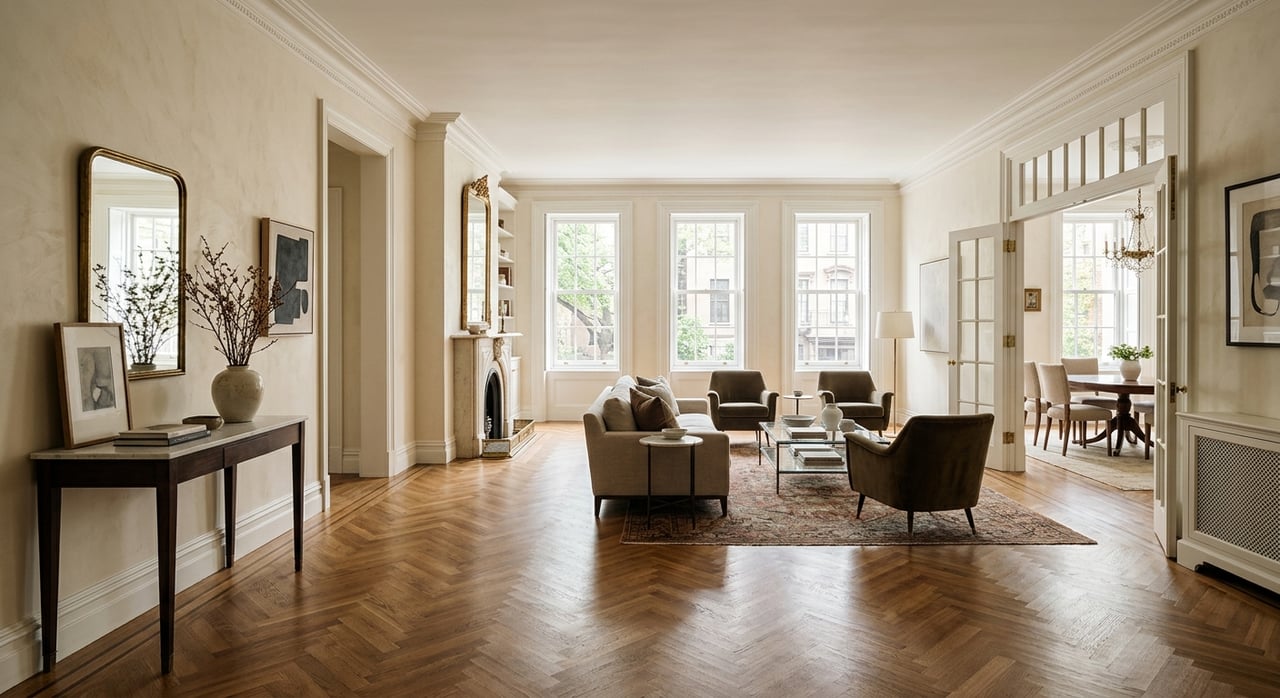
A strong loft conversion usually preserves what makes the original shell memorable while updating the home for everyday function. That can mean keeping structural elements visible, maintaining open sightlines, and adding custom built-ins or movable partitions to create privacy without closing the space off.
One Tribeca loft renovation case study shows exactly that approach. The project removed a maze-like interior, retained key structural features, and used built-ins along with sliding and accordion panels to create more distinct public and private zones.
Material choices also help define the industrial-to-luxe formula. Wood, stone, and concrete often appear together, creating a finish palette that feels both grounded and elevated.
How Layouts Have Evolved
If you picture a loft as one giant open room, that image is only part of the story. While open-plan living remains a defining feature, many current Tribeca loft residences are configured with more traditional bedroom counts.
That flexibility matters if you want loft character without sacrificing day-to-day practicality. Some converted or newly refined loft buildings now offer one-, two-, and three-bedroom layouts, showing how the neighborhood has adapted its industrial housing stock to meet modern expectations.
You may also see features that soften the edge of the classic warehouse shell. Double-high ceilings, oversized windows, balconies, terraces, and high-end kitchens can all be part of today’s loft inventory, depending on the building and scope of renovation.
The Rise of Full-Service Loft Living
Another major shift in Tribeca has been the amenity story. In older warehouses, luxury meant volume and light. In many updated conversions, luxury can also mean services and shared spaces that feel more like a contemporary condominium.
Some loft buildings now include features such as a doorman, landscaped roof deck, fitness room, storage, bike room, resident lounge, game room, or rooftop garden. That combination can appeal if you want architectural character without giving up the conveniences associated with newer residential buildings.
For buyers, this creates an important distinction within the Tribeca market. Not every loft offers the same experience. Some homes lean more original and minimal, while others deliver a highly curated, service-oriented lifestyle inside a historic shell.
Why the Tribeca Setting Adds Value
A loft is never just the apartment itself. In Tribeca, the surrounding streetscape is a meaningful part of the appeal.
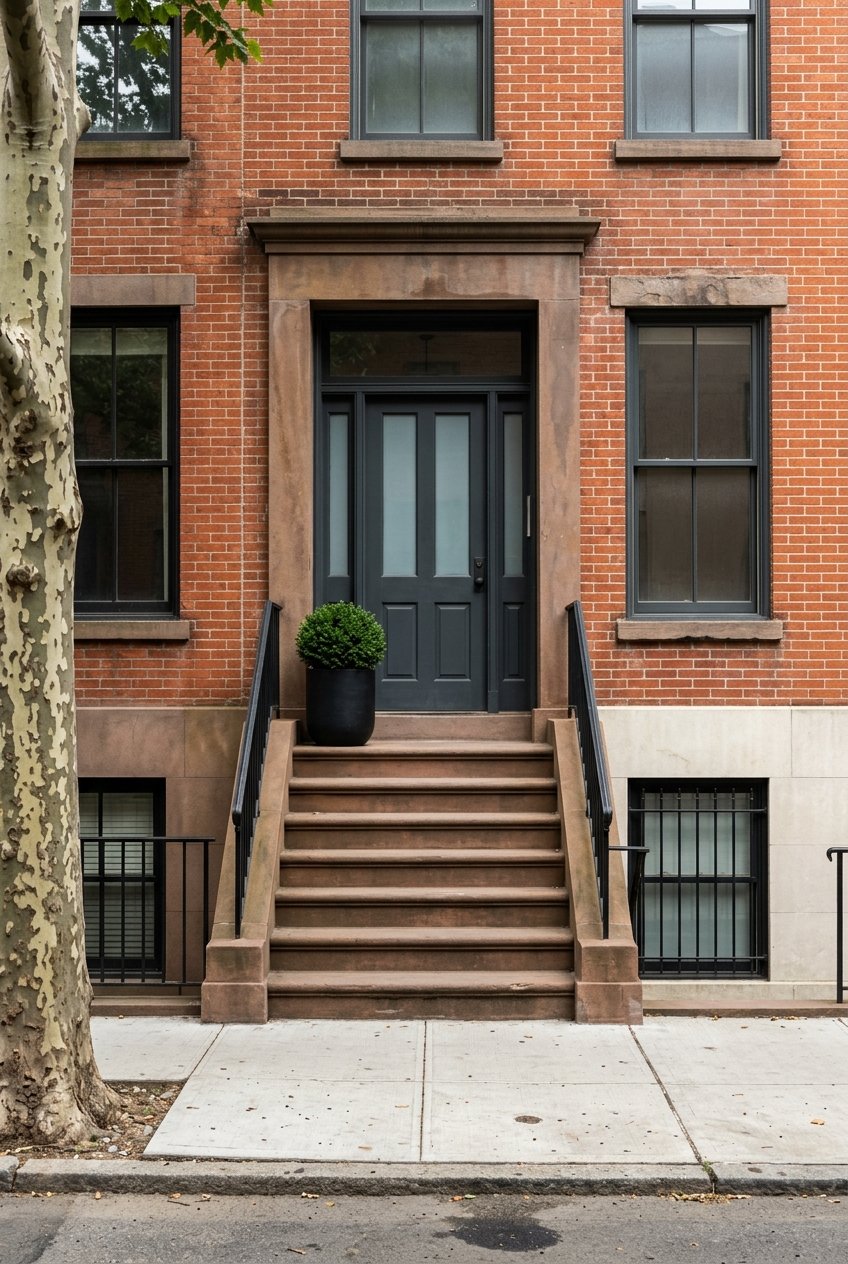
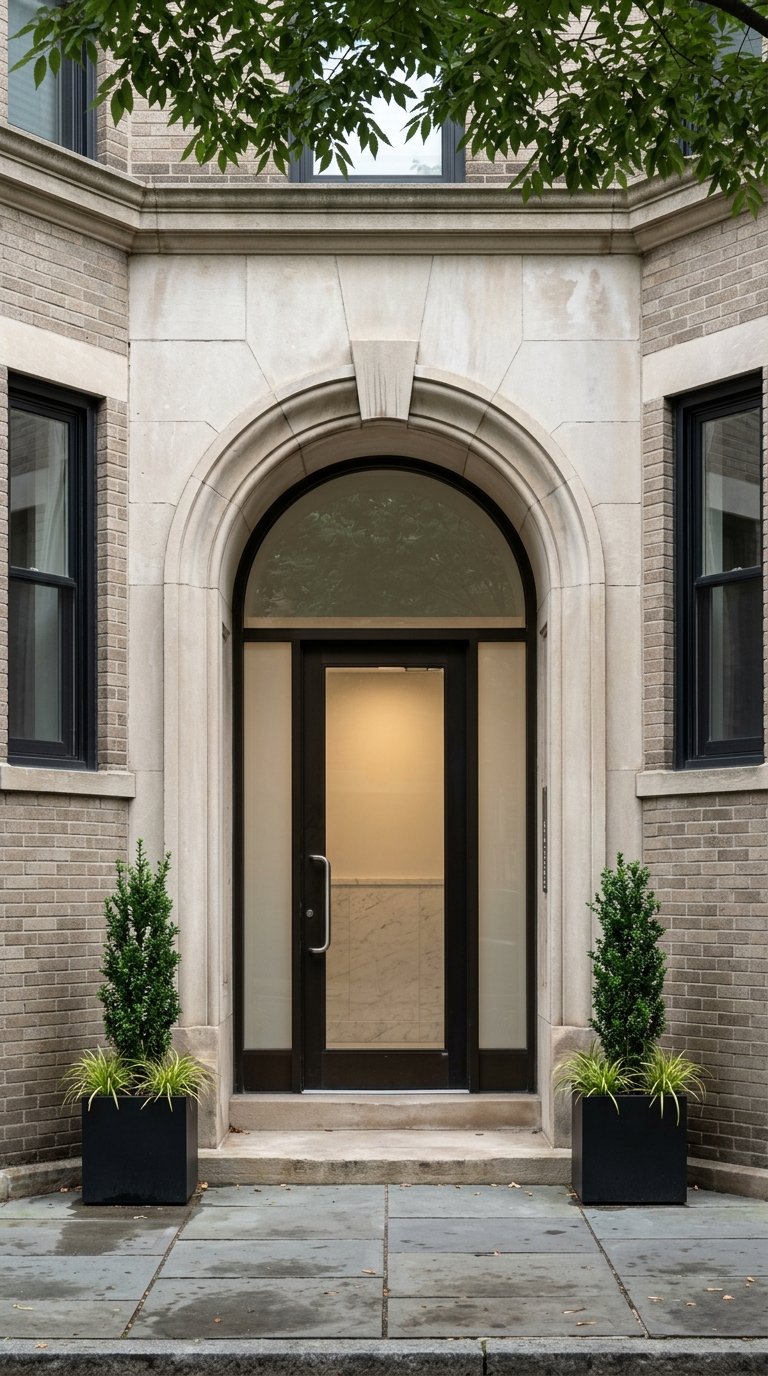
The preserved scale of the neighborhood and its historic building fabric create a downtown environment that many buyers experience as more residential in feel. That impression comes from the physical form of the area, including its lower-rise streets, historic architecture, and visible warehouse-era materials.
On the west side, Hudson River Park adds another layer to the lifestyle. The park extends four miles along Manhattan’s west side and includes the Tribeca Upland boardwalk, lawns, the Tribeca Dog Run, basketball courts, tennis courts, kayaking access, tide-deck ecology features, and river views.
Dining also contributes to the neighborhood identity. Downtown Alliance highlights Tribeca restaurants and gathering spots such as Della’s and Delmonico’s, and the long-running Taste of Tribeca event has connected local restaurants with arts and enrichment programs at P.S. 150 and P.S. 234.
For buyers thinking about school access, Tribeca is located in Manhattan DOE District 2. P.S. 234 Independence School, located at 292 Greenwich Street, is listed by the New York City Department of Education as serving grades K through 5 in District 2.
What Buyers Should Watch in Landmark Buildings
Tribeca’s character is a major draw, but it also comes with rules that matter if you plan to renovate. If a building is designated or located within a historic district, exterior work often requires review by the Landmarks Preservation Commission.
LPC states that it must approve in advance any alteration, reconstruction, demolition, or new construction affecting a designated building. In historic districts, most exterior changes require review, though ordinary repairs like replacing broken window glass or repainting to match the existing color generally do not.
Interior work is usually outside LPC review unless it affects the exterior, requires a Department of Buildings permit, or involves an interior landmark. That distinction is important if you are evaluating how much freedom you will have to personalize a space.
If proposed work affects protected features or does not conform to LPC rules, you may need a Certificate of Appropriateness. LPC also notes that exterior work in a historic district can still require its permit even when DOB self-certification might otherwise apply.
Why Renovations Often Follow Two Tracks
In Tribeca, renovation planning often involves more than one approval path. Landmark review is one side of the process, but Department of Buildings requirements still apply.
Most construction in New York City requires DOB approval. Major alterations can also trigger a new or amended Certificate of Occupancy, while some older buildings may instead use a Letter of No Objection.
This is where buyers can run into trouble if they assume a beautiful historic loft is simple to modify. Unauthorized work on designated properties can become a Landmarks Law violation, and exterior or structural plans often need to be approached as a two-track process involving both preservation review and standard building approvals.
How to Evaluate a Tribeca Loft Smartly
If you are shopping for a loft in Tribeca, it helps to look beyond finishes. A dramatic kitchen or sleek bath may catch your eye first, but long-term value often comes from the relationship between the original architecture, the current layout, and the building’s rules.
As you compare options, focus on a few practical questions:
- How much of the original loft volume and window exposure has been preserved?
- Does the layout balance openness with enough privacy for your daily routine?
- Is the building more warehouse-authentic, more fully serviced, or somewhere in between?
- Is the unit or building subject to landmark-related constraints for future exterior work?
- If you plan changes, what approvals may be required from LPC and DOB?
The right loft is usually the one that fits both your design taste and your tolerance for complexity. In Tribeca, those two factors often go hand in hand.
Why Expert Guidance Matters in Tribeca
Tribeca lofts can be exceptional homes, but they are rarely simple commodities. Their value comes from history, scale, architecture, and the quality of the conversion, all layered into a market where building-by-building differences matter.
That is why local guidance can make such a difference. When you understand how a former industrial shell has been adapted, what protections apply, and how a building fits into the broader neighborhood, you can make a more confident decision.
Whether you are searching for a character-rich residence, a polished luxury loft, or a property with future customization potential, a clear read on the details can help you buy with more certainty. If you are considering a move in Tribeca, Stefani Berkin can help you navigate the market with discretion, clarity, and a tailored strategy.
FAQs
What makes a Tribeca loft different from a standard apartment?
- Tribeca lofts often feature large windows, open floor plans, widely spaced columns, and high-volume interiors because many were originally built as warehouses or factories.
What does industrial-to-luxury mean in Tribeca loft design?
- In Tribeca, industrial-to-luxury usually means preserving original structural character while adding refined materials, custom built-ins, modern kitchens, and more private room configurations.
Are all Tribeca lofts completely open-plan spaces?
- No. Many current loft residences in Tribeca now include one-, two-, or three-bedroom layouts, offering loft character with more traditional room separation.
Do Tribeca historic district rules affect renovations?
- Yes. Many exterior changes in designated buildings or historic districts require Landmarks Preservation Commission review, and some projects may also need Department of Buildings approval.
What outdoor amenities are near Tribeca lofts?
- Hudson River Park offers nearby access to the Tribeca Upland boardwalk, lawns, a dog run, basketball courts, tennis courts, kayaking, tide-deck ecology features, and river views.
What school district is Tribeca in?
- Tribeca is in Manhattan DOE District 2, and P.S. 234 Independence School on Greenwich Street is listed by the New York City Department of Education as serving grades K through 5 in that district.