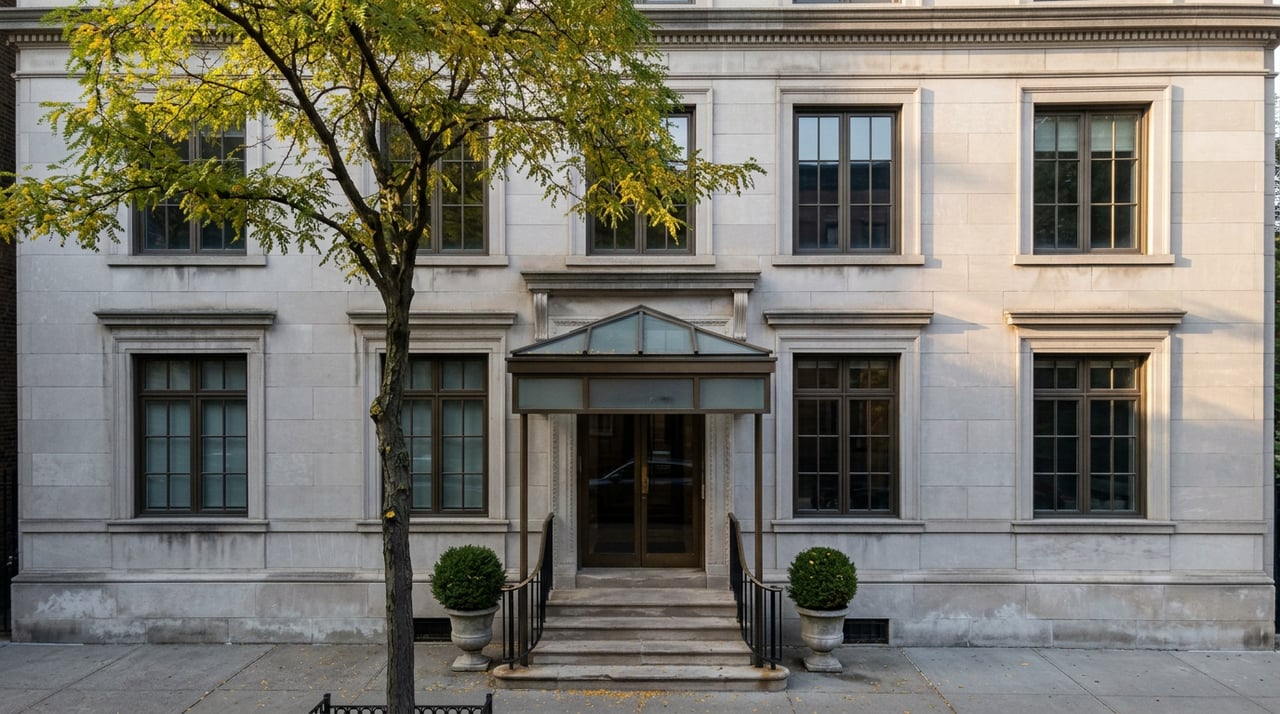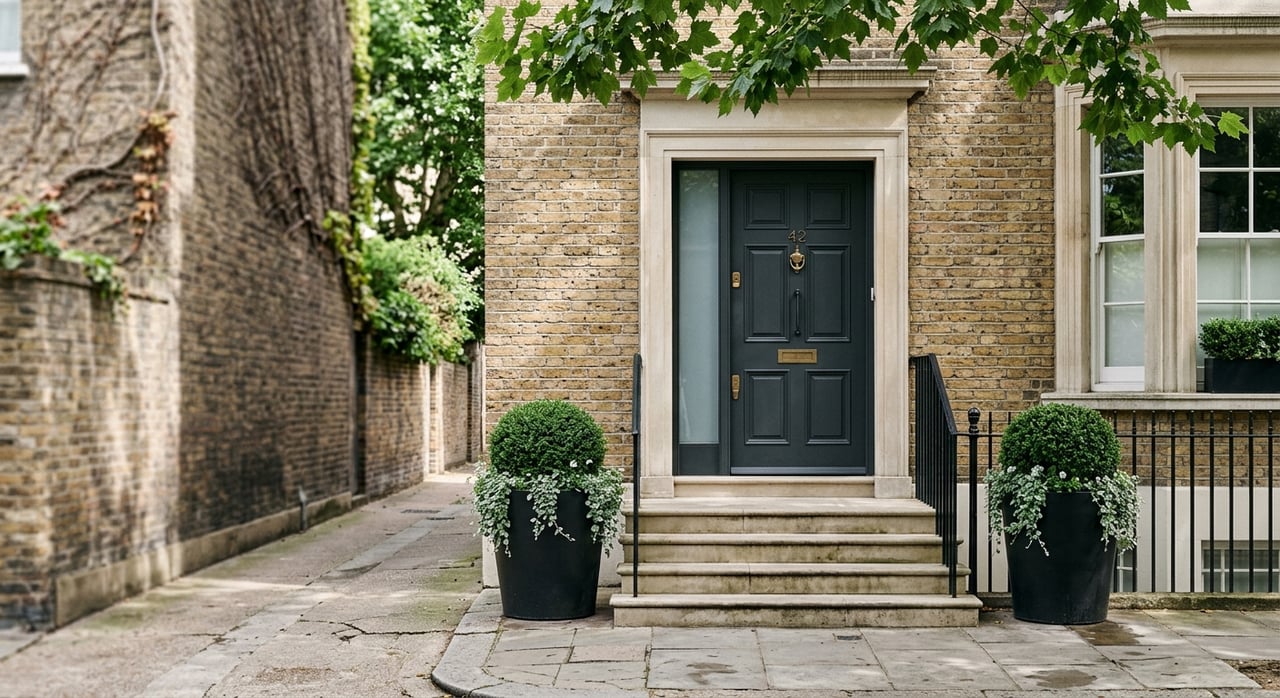
If you have been searching for a home in the West Village, you may have noticed that some of the most interesting properties seem to appear quietly, if they appear at all. That can feel frustrating when you want a full picture of the market, especially in a neighborhood where demand stays high and inventory can be tightly held. The good news is that once you understand how off-market listings work, you can approach the search with more clarity, better expectations, and a smarter strategy. Let’s dive in.
What off-market means in the West Village
In the West Village, “off-market” is often used as a catch-all phrase, but it usually refers to a few distinct listing types. In practice, these opportunities tend to fall into three buckets: office exclusive listings, delayed marketing listings, and informal broker-to-broker opportunities that never reach broad public syndication.
An office exclusive is a listing that the seller does not want shared through the MLS or publicly marketed. A delayed marketing listing is filed in the MLS but held back from public websites for a period allowed by the local MLS. Then there are private conversations between brokers, where a property may be discussed one-to-one before the broader public ever sees it.
This matters in Manhattan because the local listing structure is different from what many buyers expect. REBNY’s Residential Listing Service, often called the RLS, is the cooperative system that shares exclusive listings among member firms and powers many of the listings consumers see publicly, along with the internal listing tools brokers use every day.
Why off-market matters in the West Village
The West Village is one of Manhattan’s most sought-after and expensive neighborhoods, and that shapes how homes are bought and sold. StreetEasy describes the area as competitive, with high-end townhouses and condos often commanding several million dollars. In a market like that, some sellers value discretion just as much as wide exposure.
For buyers, this means online search alone may not tell the whole story. Some properties are intentionally kept out of broad public view, while others circulate through brokerage relationships before they ever reach consumer-facing platforms. If you rely only on public websites, you may miss part of the available landscape.
Why sellers keep listings private
Sellers usually choose an off-market path for a few practical reasons. Privacy is a major one, especially for owners who want to limit public attention or keep personal details out of a widely visible listing trail. Others want to control showing activity more carefully or test pricing before launching publicly.
That said, there is a tradeoff. According to NAR, limiting public exposure can narrow the buyer pool, and conventional thinking is that this can also limit the eventual sales price. In other words, a seller may gain control and privacy, but give up some of the broader competition that can help drive stronger offers.
In the West Village, that tradeoff can be very real. A scarce, highly desirable property may still perform well off-market, but fewer eyes usually means fewer opportunities for bidding competition. That is why thoughtful strategy matters on both sides of the transaction.
How buyers access off-market listings
For most buyers, access to off-market opportunities comes through a buyer’s agent with strong Manhattan relationships. Office exclusive listings may only be visible inside the listing brokerage, and delayed marketing listings may be seen by MLS participants before they hit public websites. In practical terms, your broker often becomes your main access point.
That is especially true in Manhattan, where the broker network plays an outsized role. Because REBNY’s RLS is central to how exclusive inventory is shared among member firms, relationships inside the local brokerage community can make a meaningful difference in what you hear about and how quickly you hear about it.
Private opportunities also move through one-to-one broker communication. Under current NAR policy, one-to-one broker communication does not trigger Clear Cooperation in the same way broad public marketing does. That helps explain why some listings circulate quietly through direct broker outreach before becoming widely known.
What buyers should expect from the process
If you are pursuing off-market listings in the West Village, expect a process that feels less standardized than a typical public search. Information may arrive in smaller pieces, showing schedules may be tighter, and some opportunities may disappear quickly if a seller values speed and discretion.
You should also expect fewer public breadcrumbs. A delayed marketing or private listing may not show the same days-on-market pattern or public price-history trail you would see with a fully launched listing. NAR notes that days on market and price-history handling are local MLS matters, so what appears across platforms can vary.
That does not mean the process is less legitimate. It simply means you need to evaluate each opportunity with care, ask direct questions, and work with someone who can help you understand what is visible publicly versus what is happening behind the scenes.
Pricing can look different off-market
West Village pricing is strong, but the exact numbers vary depending on the source. As of the cited spring 2026 snapshots, Realtor.com reported 206 homes for sale, a median asking price of $1.66 million, 60 median days on market, and homes selling at 96% of asking. Redfin’s March 2026 snapshot showed a $1.475 million median sale price, 72 median days on market, and a 99.7% sale-to-list ratio.
Those figures should be read as directional, not identical, because each platform uses different definitions and datasets. Still, they point to the same broad takeaway: the West Village remains a high-priced market where serious demand supports strong pricing.
In an off-market setting, pricing can feel less transparent because you may have fewer direct public comparables tied to the specific listing. Some sellers use private marketing to test a price without creating a public days-on-market trail. That can create opportunity, but it can also require sharper judgment during negotiation.
Negotiation in a private sale
Off-market negotiation often comes down to balancing scarcity against reduced competition. On one hand, a unique West Village property may command strong interest even without a public launch. On the other hand, a seller who keeps a listing private is usually giving up some of the broader exposure that can create multiple-offer pressure.
For buyers, that means an off-market listing is not automatically a bargain. Sometimes the benefit is access, not a discount. The value may be in getting a chance to compete for a home that never reaches the wider market, rather than in paying less than you would on a public listing.
For sellers, the key question is what matters most: privacy and control, or maximum reach. The right answer depends on the property, timing, and the seller’s priorities.
Important New York process details
Even in a private listing strategy, there are still formal rules around how listings are handled. NAR’s current policy says that office exclusive and delayed marketing listings require a seller disclosure acknowledging that the seller understands the MLS benefits being waived or delayed. If a property is publicly marketed, Clear Cooperation still requires filing with the MLS within one business day of that public marketing.
In New York, exclusive residential listing agreements must also explain the difference between an exclusive right to sell and an exclusive agency agreement. They must also give the homeowner the option to have negotiated offers submitted either through the listing broker or through the selling broker.
These details are one reason off-market listings should never be treated as casual or informal just because they are quieter. A discreet transaction still benefits from a clear process, careful documentation, and a broker who can explain each step in plain language.
How to search smarter in the West Village
If you want to improve your odds of finding an off-market opportunity, a few habits can help:
- Get clear on your must-haves and nice-to-haves before private opportunities appear.
- Be ready to review and respond quickly when a match comes up.
- Ask your buyer’s agent how they monitor office exclusives, delayed marketing inventory, and broker-to-broker opportunities.
- Look at public search results as one part of the market, not the full market.
- Stay realistic about pricing, since access does not always mean leverage.
The same principle applies if you are selling. A private strategy can work well when discretion, controlled showings, or testing price matters most. But it should be a deliberate choice, with a clear understanding of what you gain and what you may be giving up.
In the West Village, off-market listings are not a myth or a loophole. They are a real part of how this neighborhood functions, especially at the higher end of the market. If you understand the structure behind them, you can make better decisions whether you are buying quietly, selling discreetly, or simply trying to understand where the hidden inventory really lives.
When you want guidance that combines discretion, local relationships, and a clear Manhattan strategy, Stefani Berkin can help you navigate the West Village market with confidence.
FAQs
What is an off-market listing in the West Village?
- An off-market listing in the West Village usually refers to an office exclusive, a delayed marketing listing, or a private broker-to-broker opportunity that is not broadly syndicated on public websites.
How do buyers find off-market homes in the West Village?
- Buyers usually find off-market homes through a buyer’s agent with strong Manhattan brokerage relationships, since some listings circulate inside broker networks before reaching public platforms.
Are off-market West Village listings cheaper than public listings?
- Not necessarily. Off-market listings can offer access to scarce properties, but they are not automatically discounted, especially in a high-demand neighborhood like the West Village.
Why would a West Village seller avoid public marketing?
- A seller may choose private marketing to protect privacy, control showings, or test pricing before a broader launch, even though that may reduce the number of buyers who see the property.
Do off-market listings still follow real estate rules in New York?
- Yes. Office exclusive and delayed marketing listings still involve formal disclosures and listing rules, and New York exclusive listing agreements must explain key agreement types and offer-submission options.